Some of this material is
covered in a book titled American Style:Classic Product Design from Airstream to Zippo by Richard Sexton,
1987.
KEY ELEMENTS OF AMERICAN PRODUCT DESIGN:
Attributes:
GENEROUS USE OF RAW
MATERIALS WITH A CAREFREE QUALITY UNCONCERNED OF THE MATERIALS UTILIZED
SIMPLE, LOGICAL DESIGN
FUNCTIONAL, SOLIDLY BUILT, DEPENDABLE AND DURABLE
RADICAL REDESIGN RATHER
THAN INCREMENTAL IMPROVEMENTS
FORM FOLLOWS FUNCTION-
GERMAN BAUHAUS
AMERICAN SHAKERS
The following page has two sections.
1. Product examples that do not generally feature outside influences and are pure American looking products.
2. Below the first section are the original trailblazers of
American Product design. Many blended various outside influences
and schools of design with the attributes listed above to create iconic
products.
Nothing States a product is Made In America as
much as a Product which "Looks American", with true USA Archetypes and
minimal design school influences . This list with visuals offers
some examples.
Section 1
Products that when viewed instantly evoke the the USA.
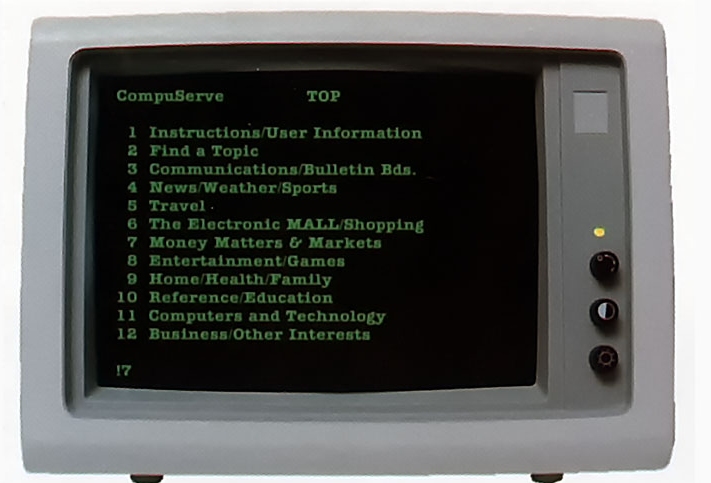
CompuServe 1979
Shopping
Cart
Quaker Oats Cereal
cylinder packaging (so product is differentiated from other cereals on the
shelf)
Hershey
Bar
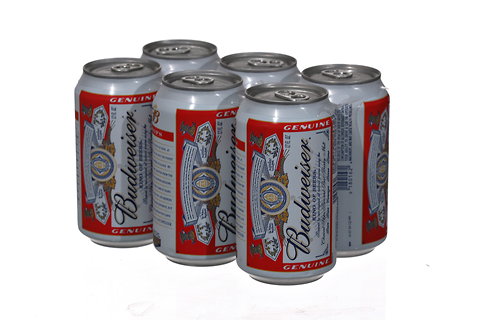
Six Pack
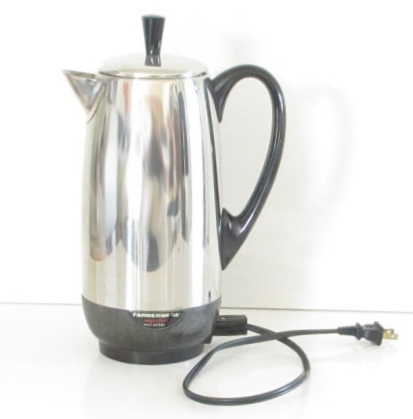
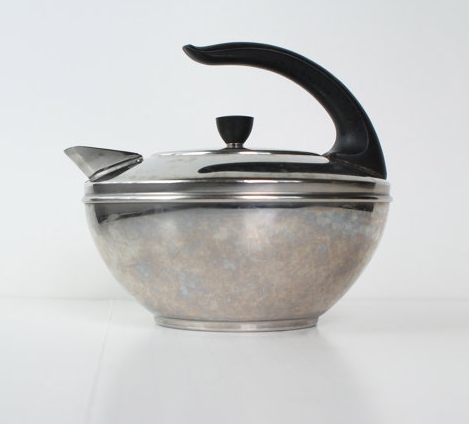
Faberware Coffee
Percolator- Model 142B
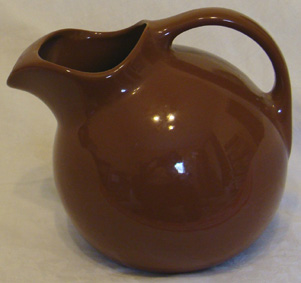
Hall
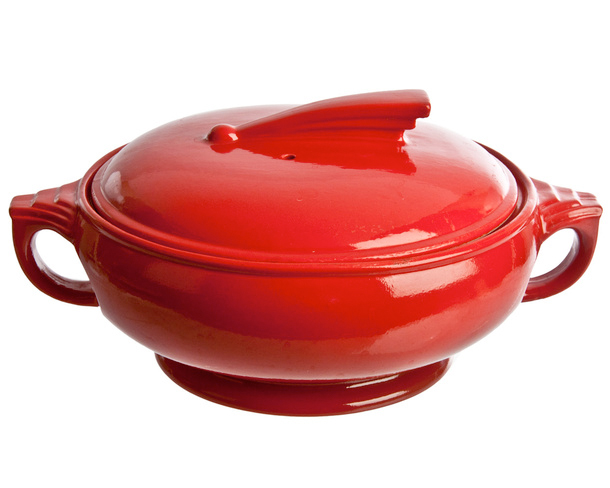
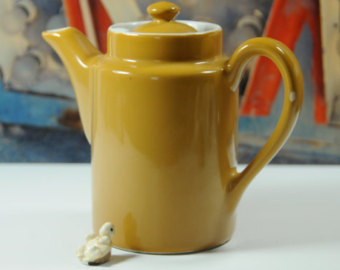
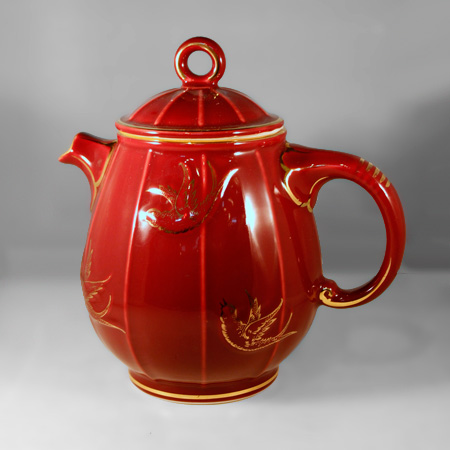
Ceramics
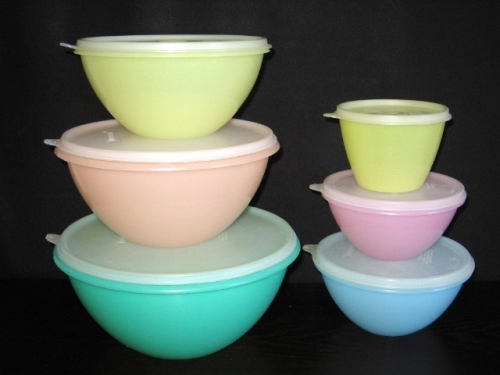
Tupperware
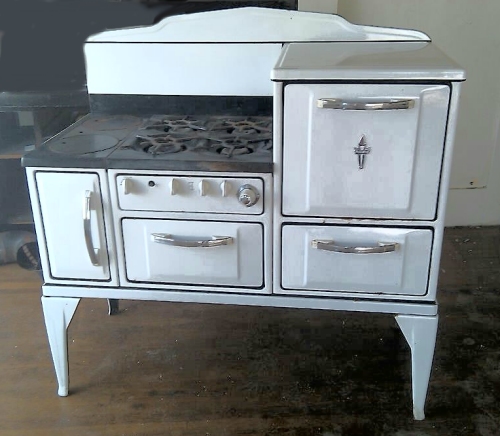
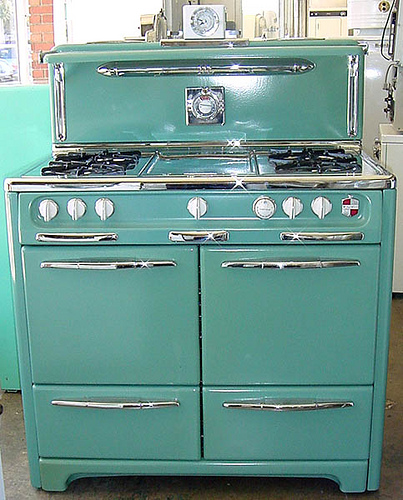
Wedgewood Stove 1930's and 1950's shown
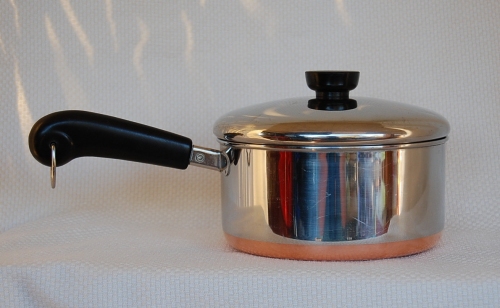
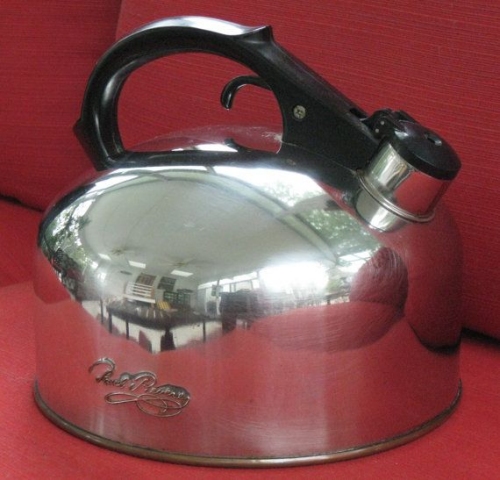
Revereware
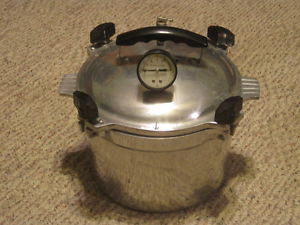
All American Pressure
Cooker- No 907
Mason Jar
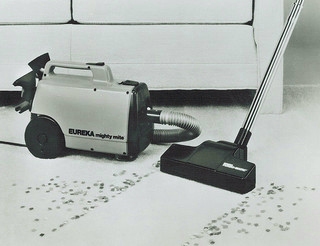
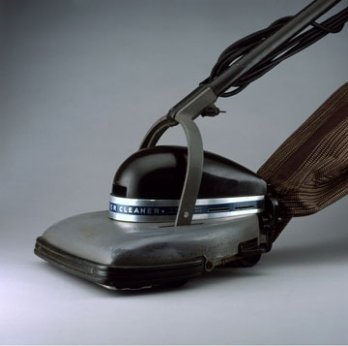
Eureka Mighty Mite- 1982
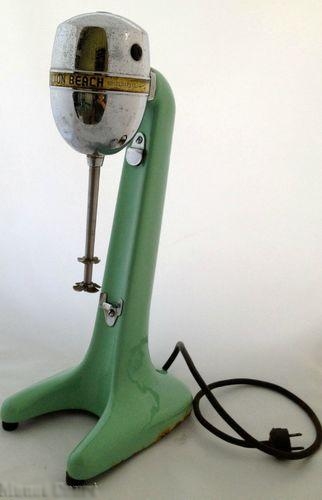
Hamilton Beach
Drinkmaster- #30
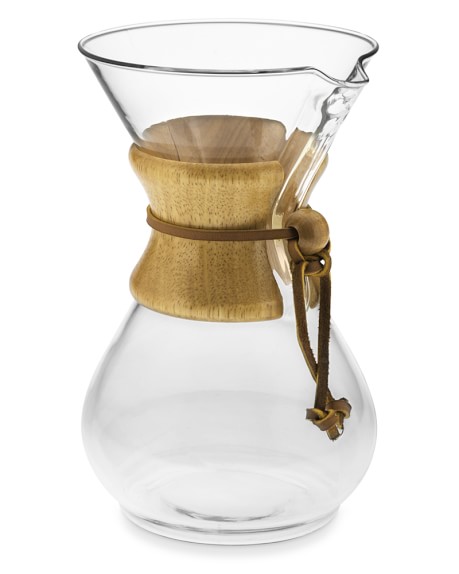
Chromex Coffee Maker
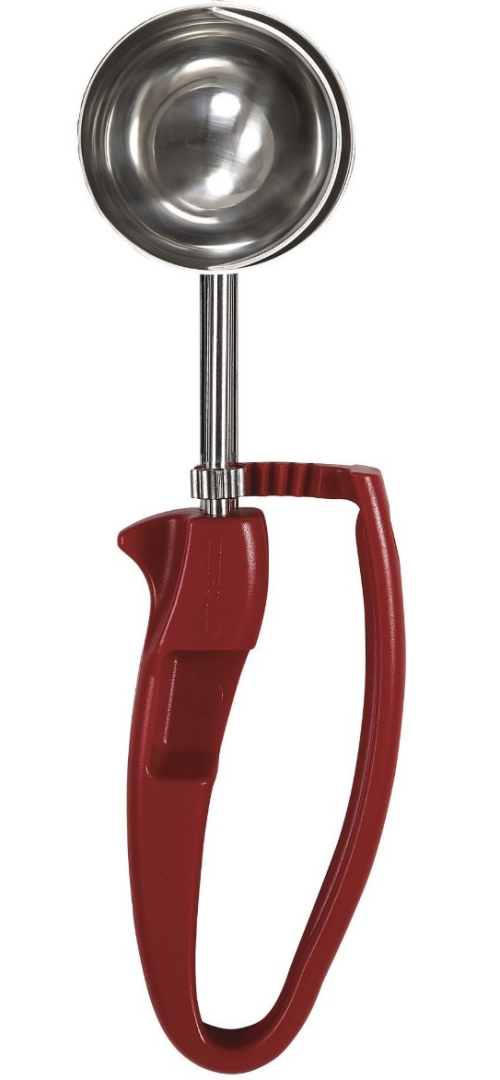
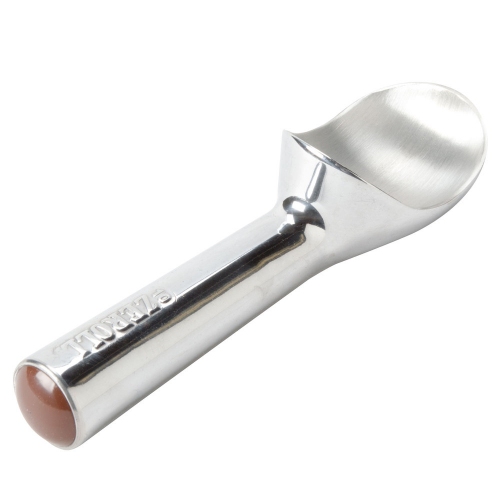
Zeroll Ice Cream Scoop-
#24
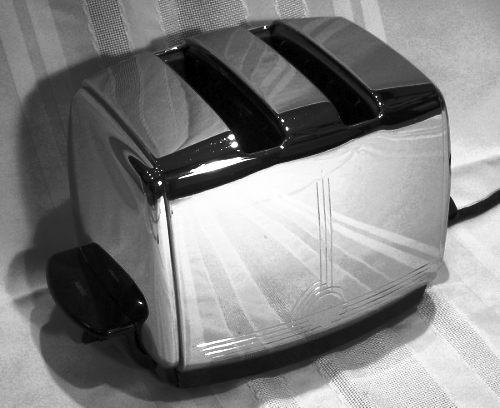
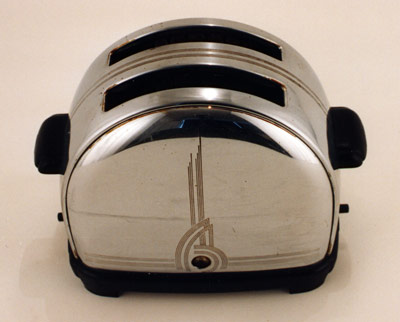
Sunbeam Toaster- model
20030 and model I9; [slots]
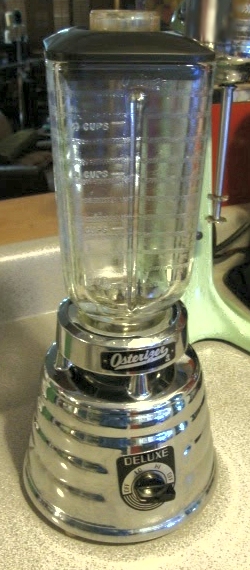
Osterizer
Blender- Model 403
Bloomfield
Sugar Dispenser
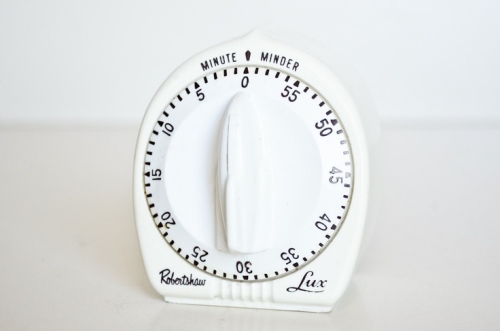
Robertshaw
Minute Minder
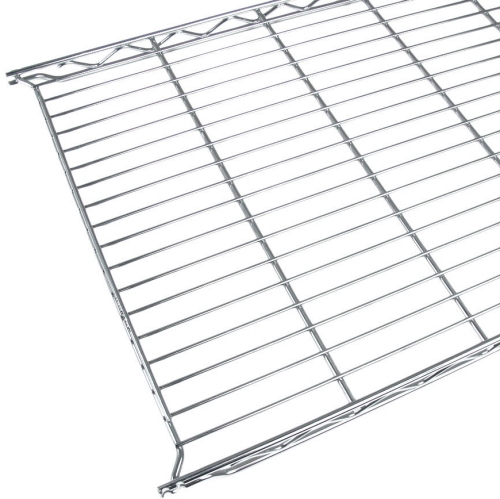
Metro
Wire shelving system- Metropolitan Wire Goods Corp
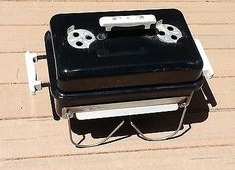
Weber
Grill
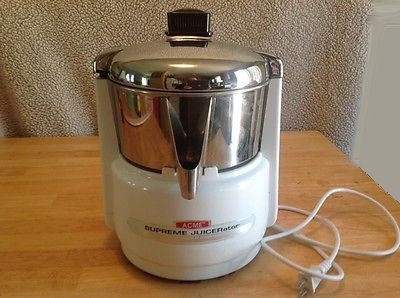
Acme
Supreme Juicerator- Model 6001
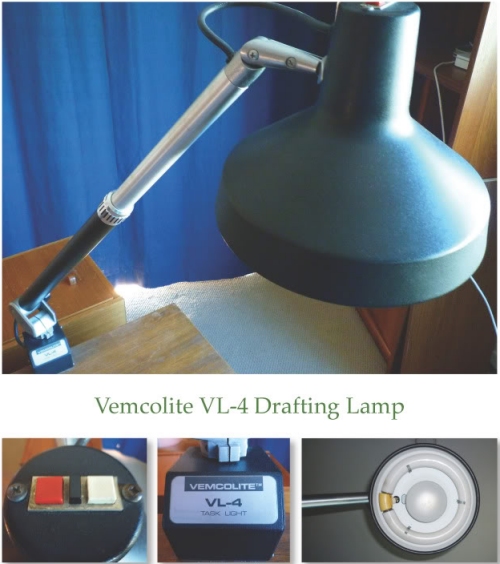
Vemcolite Task Light-
VL-5; 1985
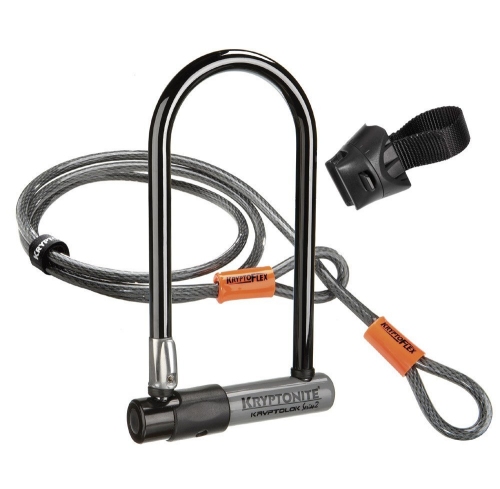
Kryptonite Bike Lock
Master padlock- #5
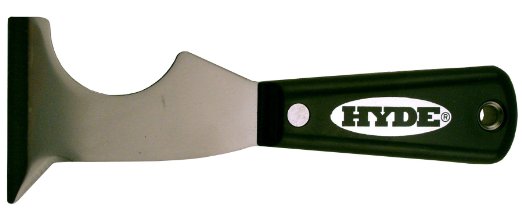
Hyde 5 in 1 Tool
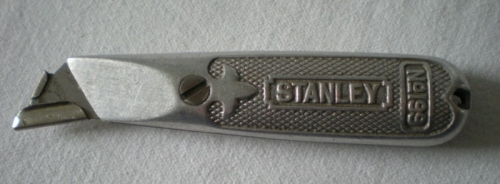
Stanley
Tools- utility knife and ratchet driver
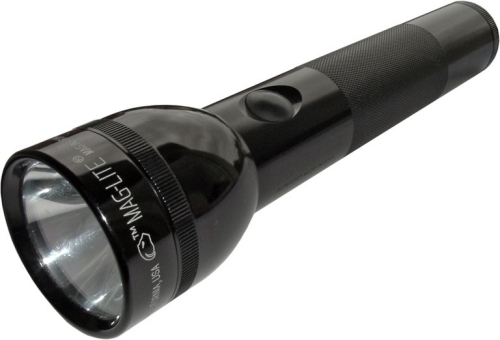
Maglight flashlight
Bell System #500 rotary
telephone
Rural US Mailbox
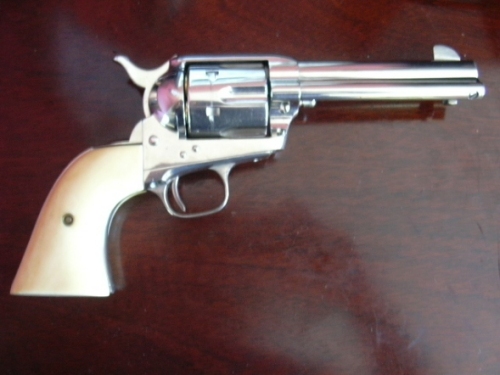
Colt Revolver- SSA .45
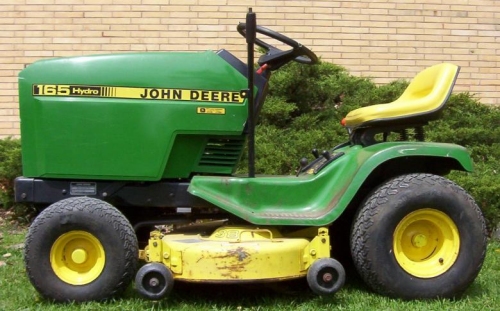
John Deere Lawn Tractor-
hydro 165
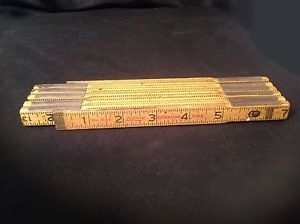
Lufkin
Red End Extension Ruler- 6 feet
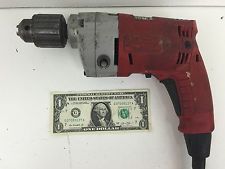
Milwaukee Magnum Hole
Shooter Drill- ½” reversible 1974
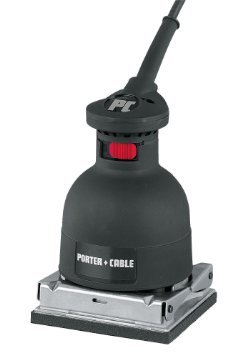
Porter Cable Finishing
Sander- 330 speed block
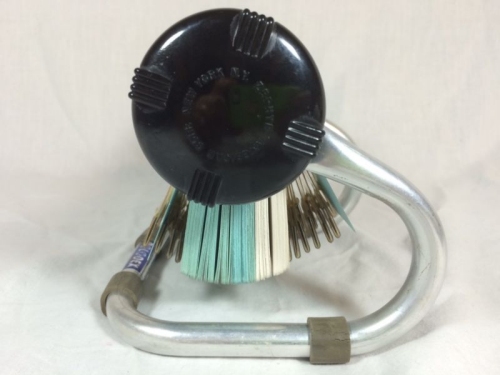
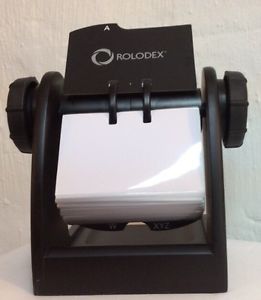
Rolodex-
Model 5024x
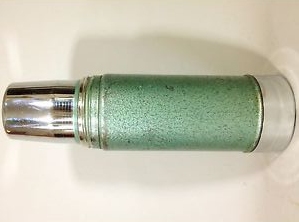
Stanley steel Thermos-
No. A-943C
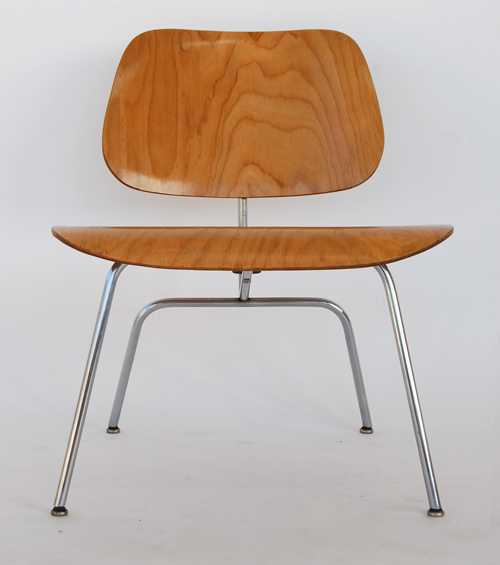
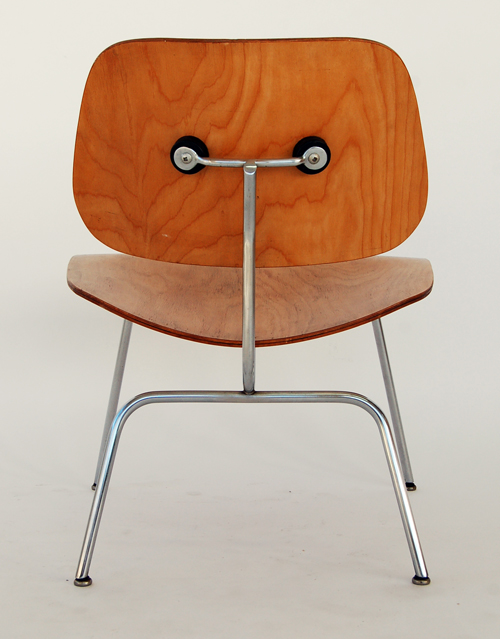
Eames / Evans Products /
Charles Eames-
Molded Plywood Chair
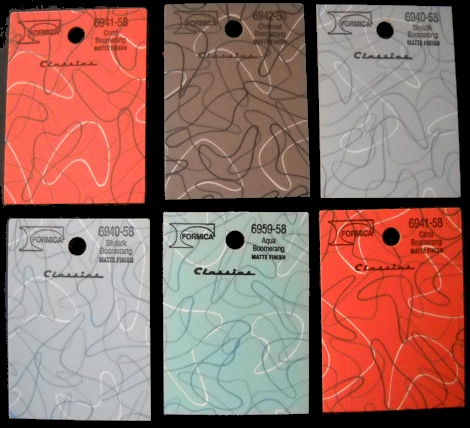
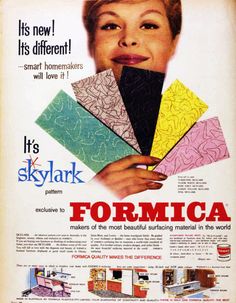
Formica Decorative
Laminate- white skylark
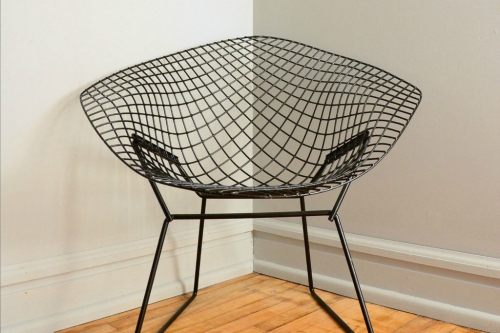
Bertoia
Diamond Chair
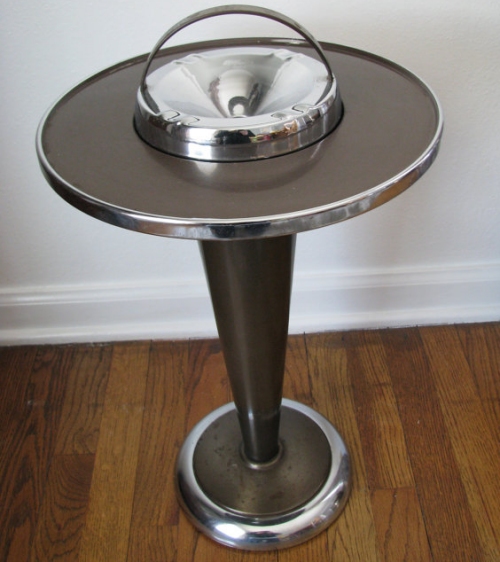
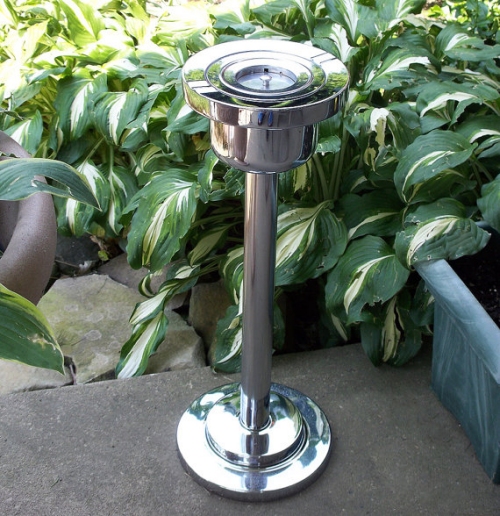
Smokador Ash Stand-
Servador table smoker ash stand
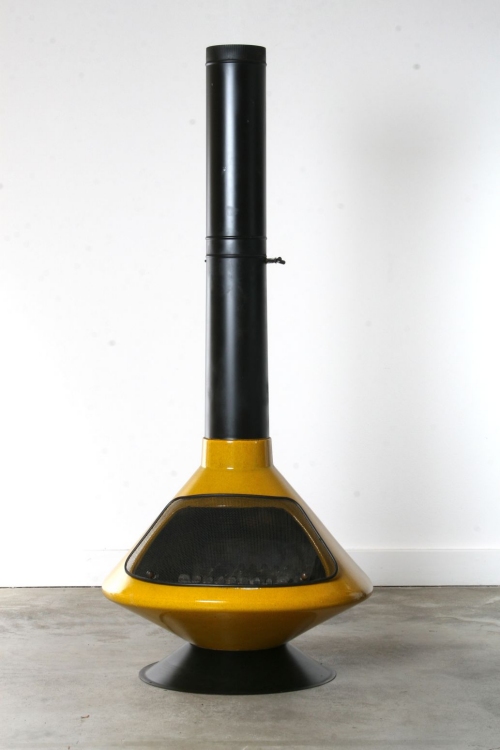
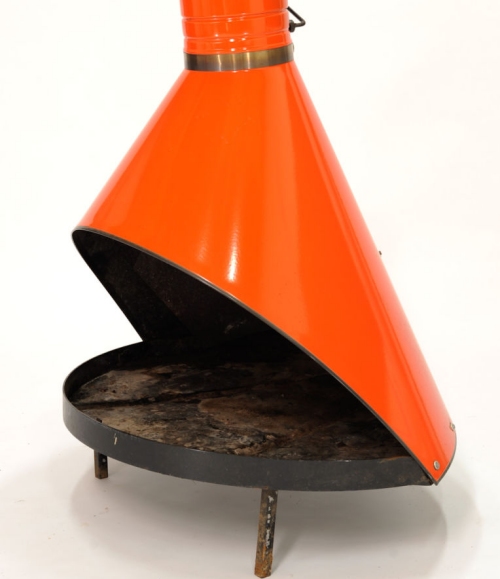
Fireplace designed by
Wendell Lovett
made by Condon-King and also Majestic company
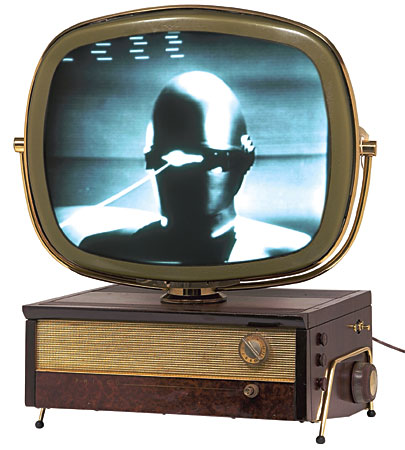
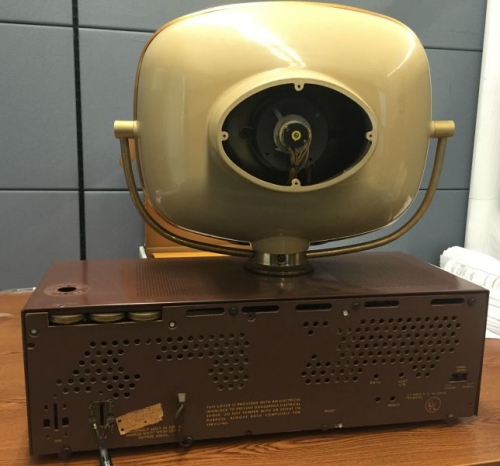
Philco- Predicta
Television TV as high tech instead of furniture
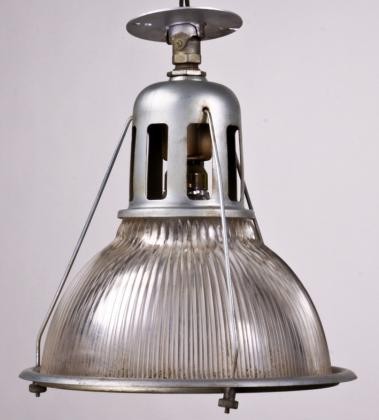
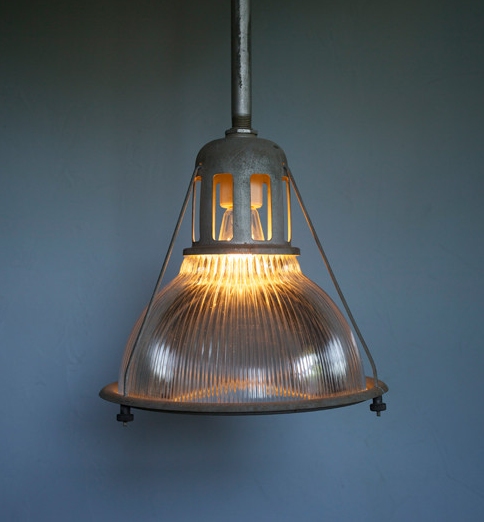
Holophane Prismatic
Luminaire Light/lamp- #684 by Vearl Wince and Curt Franck
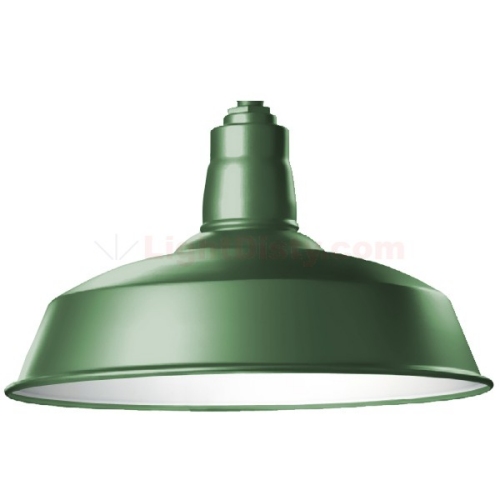
Abdite RLM Fixture-
RD150
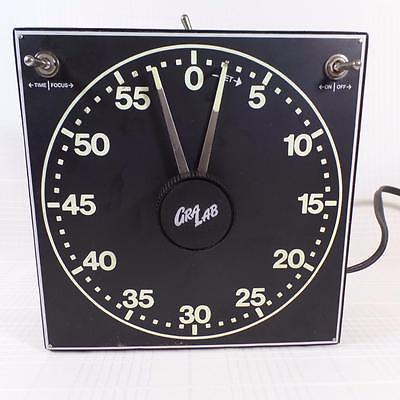
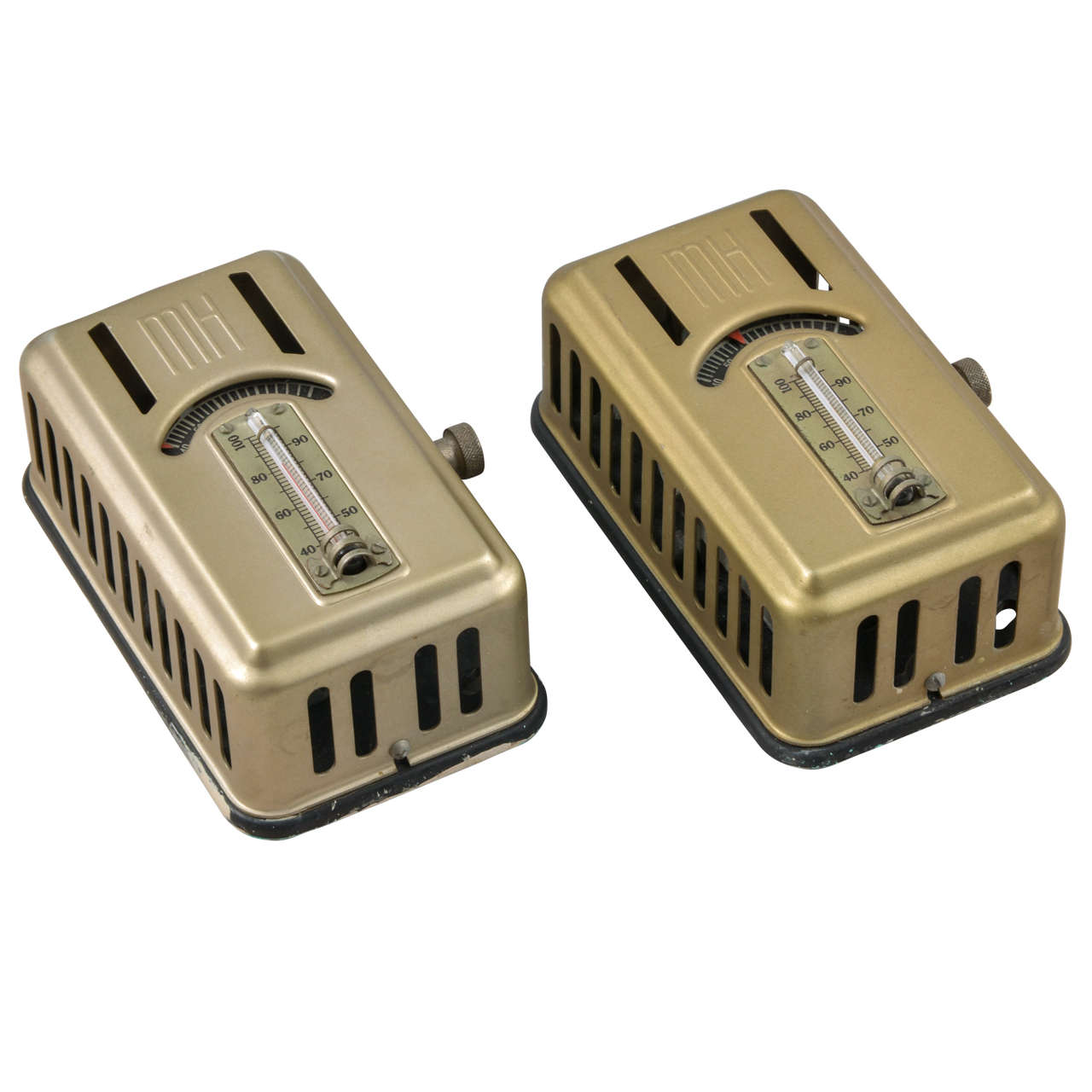
GRA-Lab Timer- #300
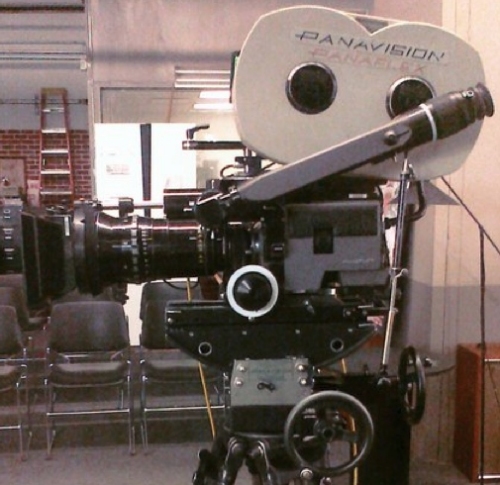
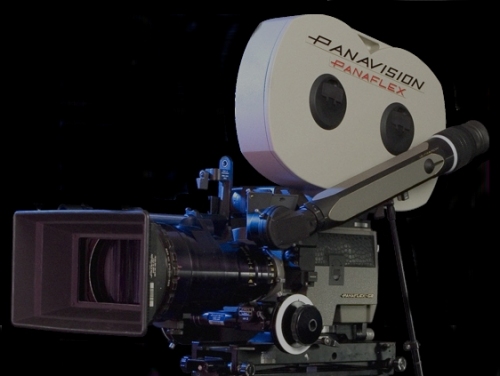
Panavision
Panaflex golden movie camera
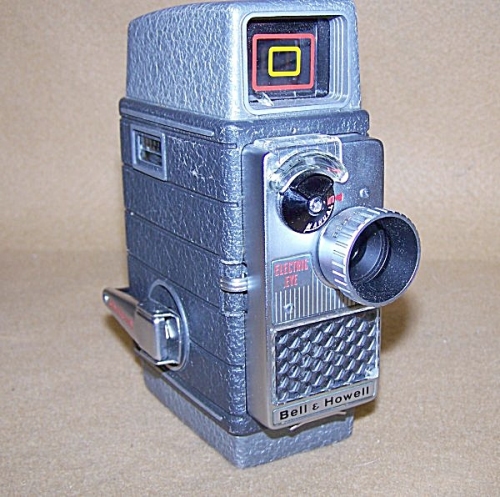
Bell and Howell 8mm
movie camera 1950's
Kodak Super8 movie camera 1960's
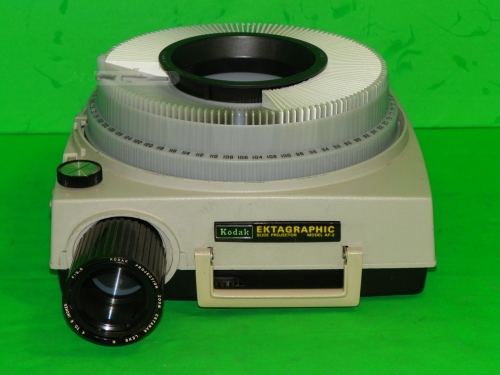
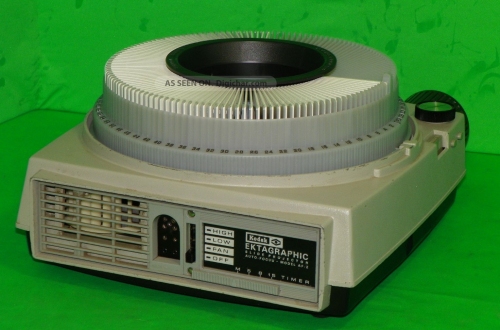
Kodak Carousel/Eketagraph AF2
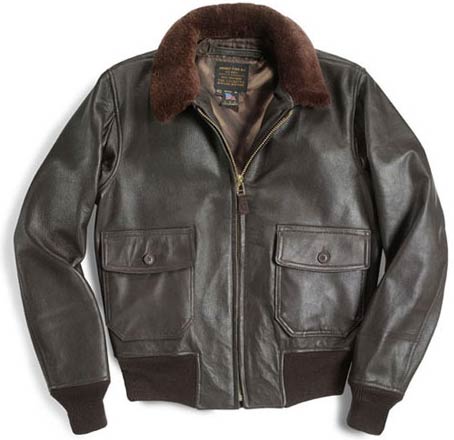
US Navy G1 Aviation
Jacket- WW2c
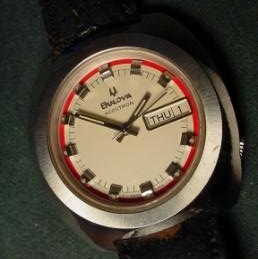
Bulova
Accutron Watch
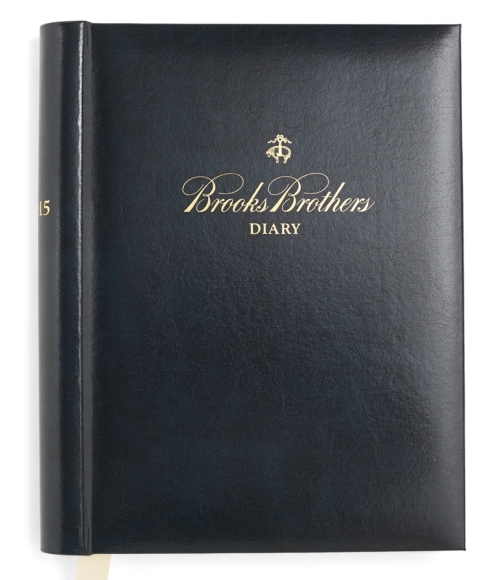
Brook
Brother’s Diary
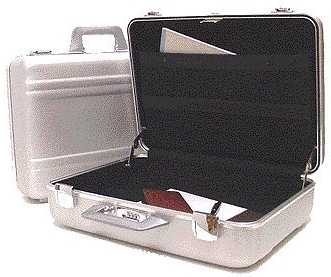
Halliburton Luggage- attaché case model 2H-10451938
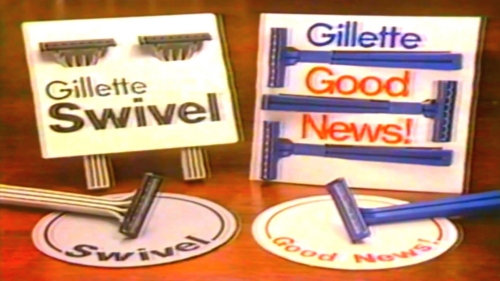
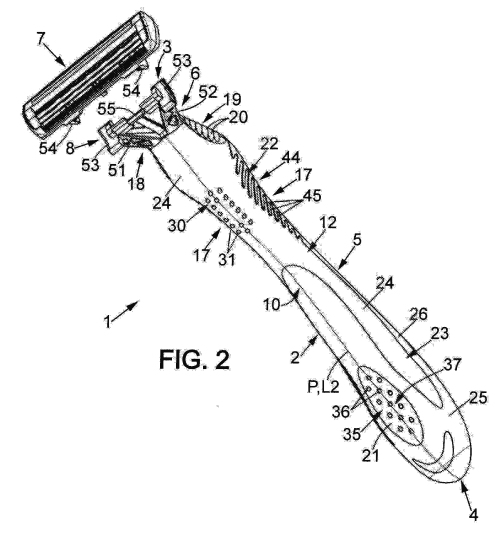
Gillette swivel
disposable razor1981
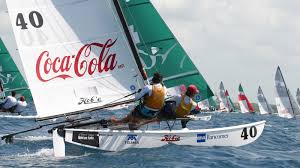
Hobie Cat cameron - #16
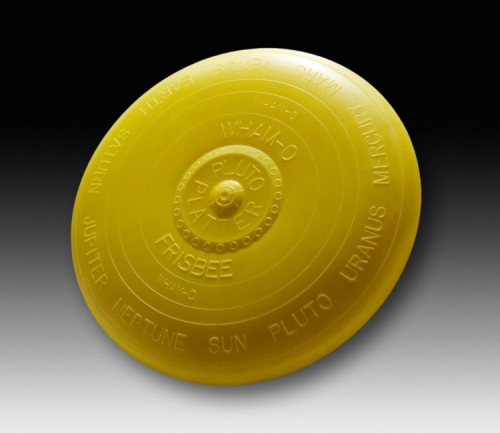
Frisbee
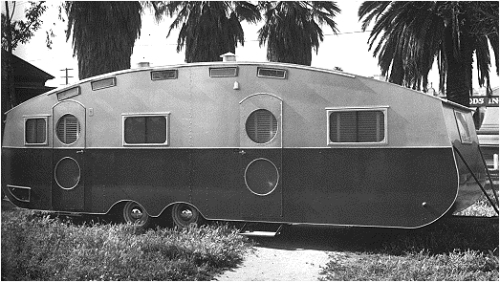
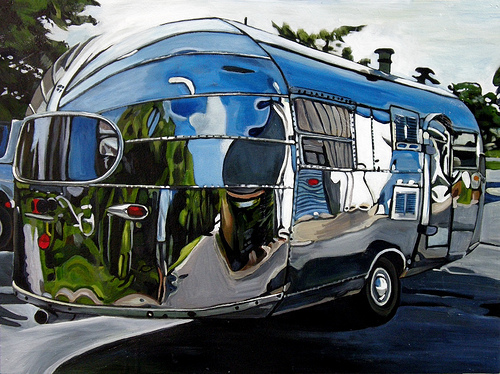
Airstream Trailer
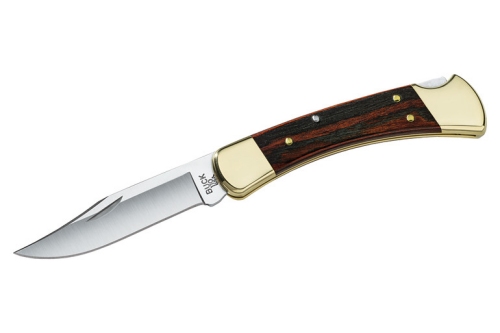
Buck Knife- model #110
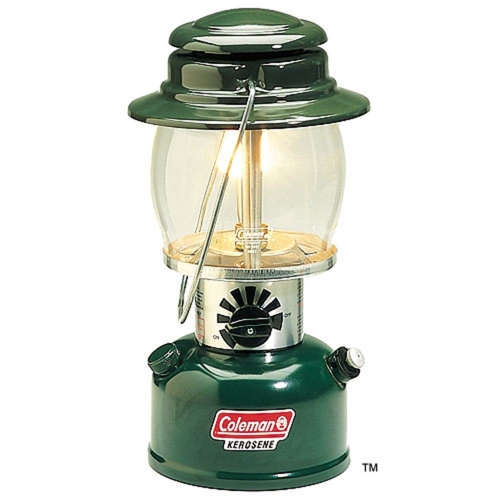
Coleman
Lantern model 201- from Hydrocarbon Light Company
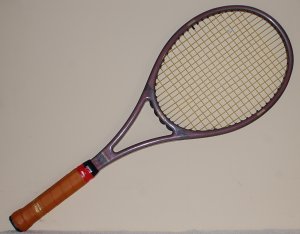
Head tennis racquet- Edge
Composite version
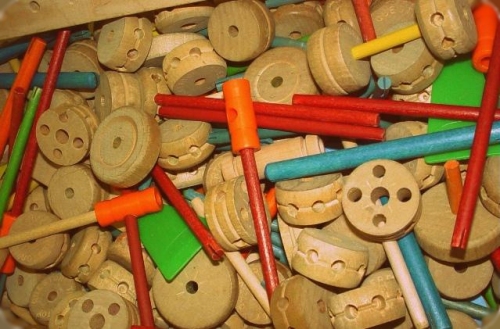
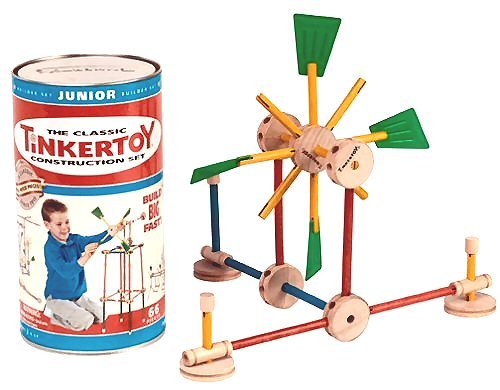
Tinker Toys- set # 330 from Toy Tinkers
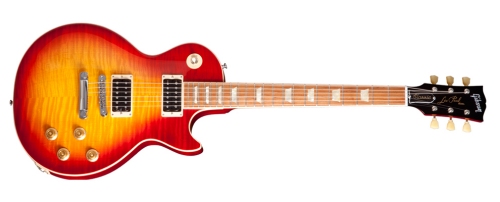
Gibson
Les Paul- cherry sunburst
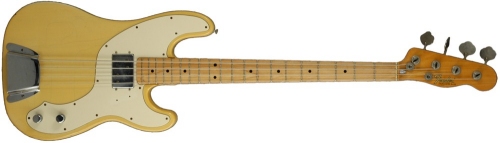
Fender Telecaster Bass- 1972
model
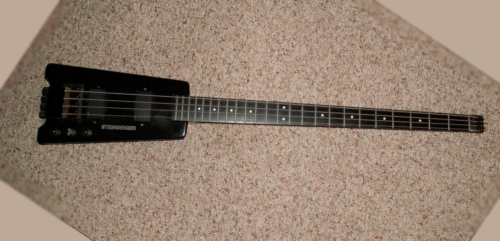
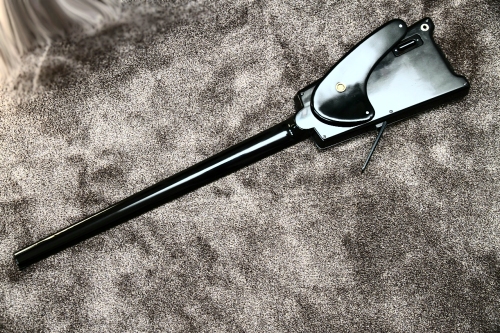
Steinberger Bass- XL-2
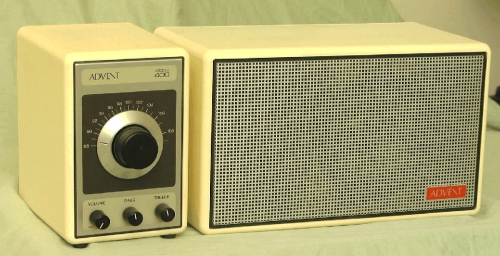
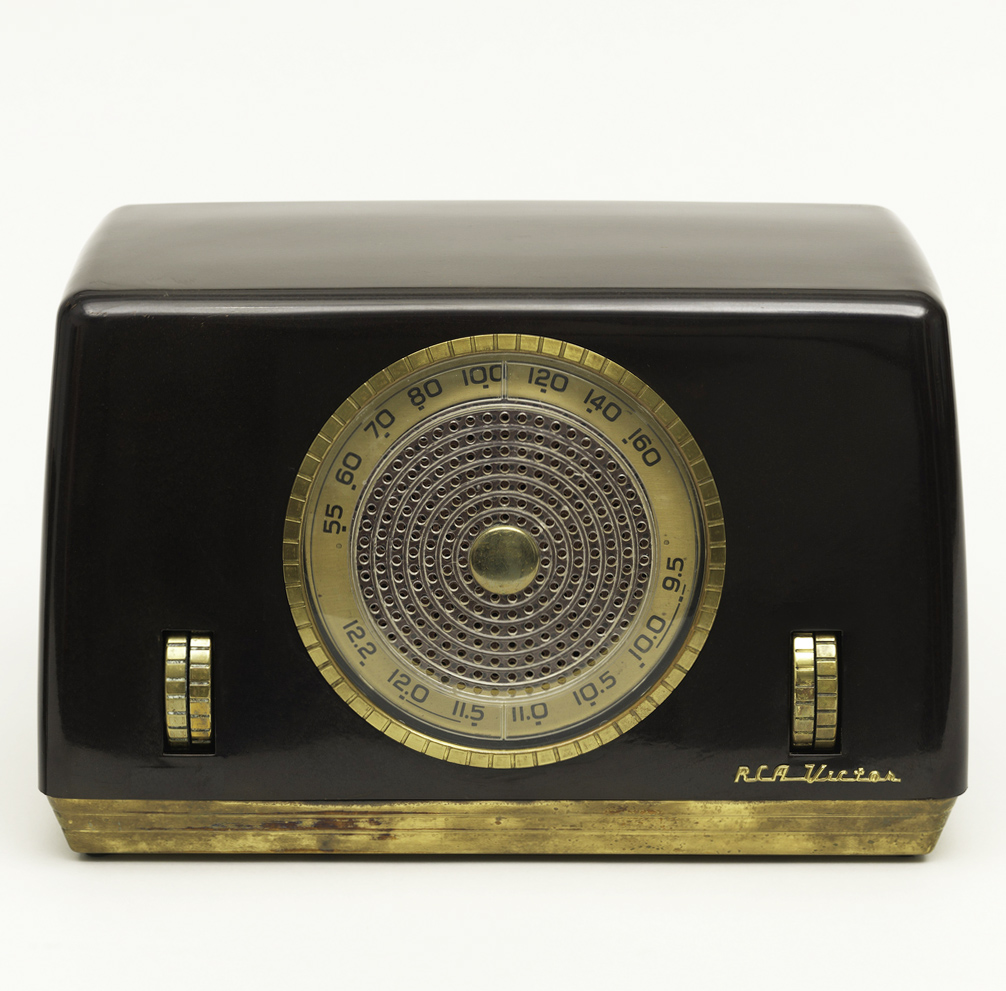
Advent Radio- Model 400
Mcintosh Amp
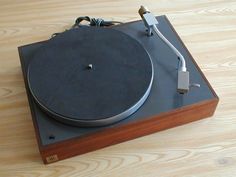
Acoustic
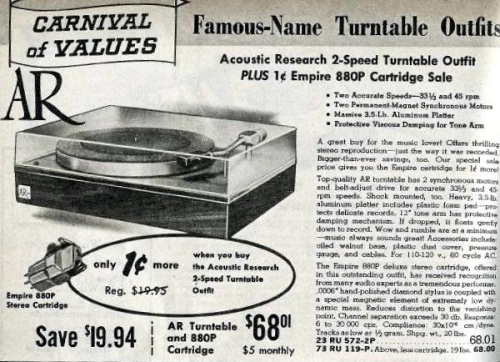
Research turntable1957
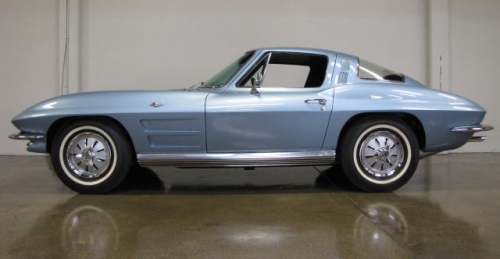
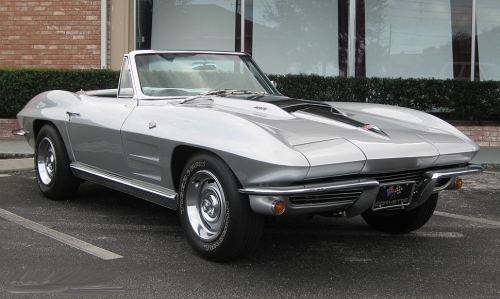
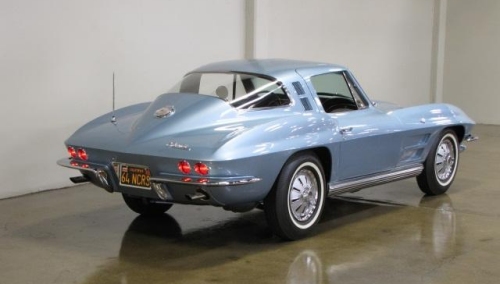
Corvette String Ray-
1964
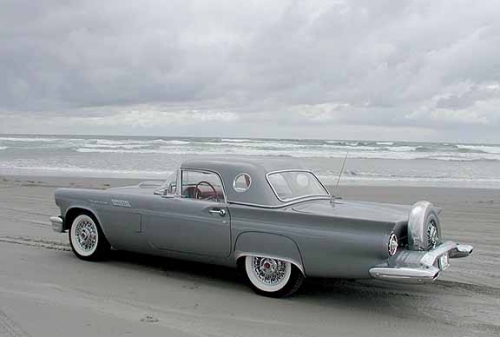
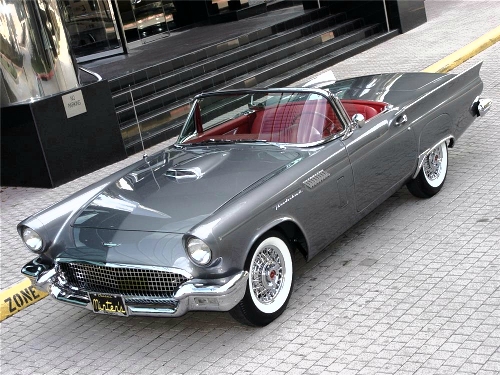
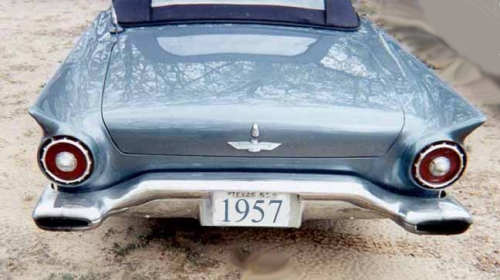
Ford Thunderbird- 1957
gun metal grey
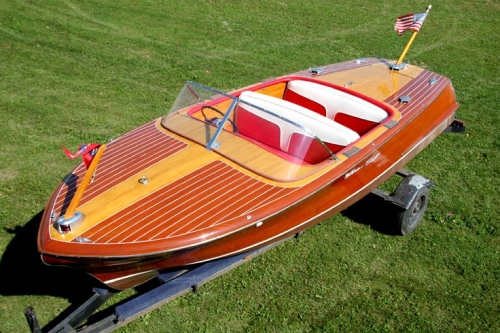
Chris Craft Motorboat-
Capri 191956
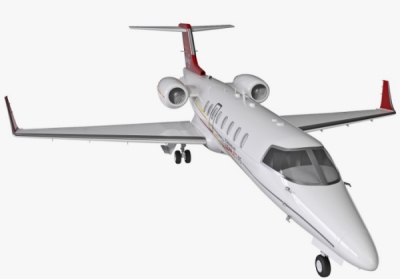
Learjet- 250
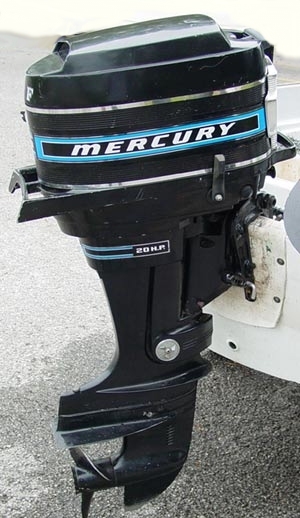
Mercury Outboard-
Mercury 20
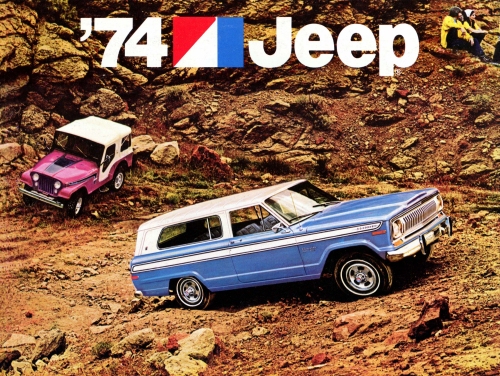
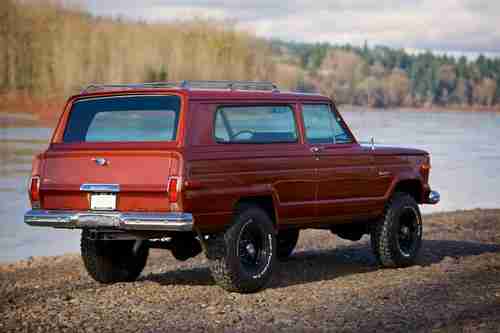
Jeep Cherokee- 1974
Videoconferencing 1968
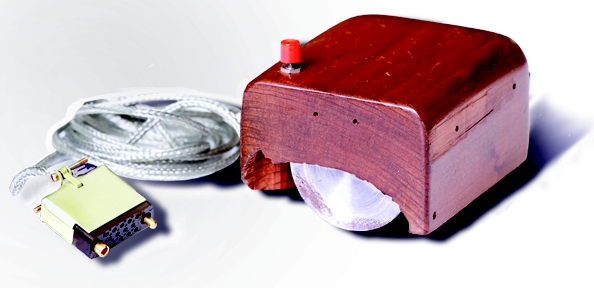
Computer Mouse
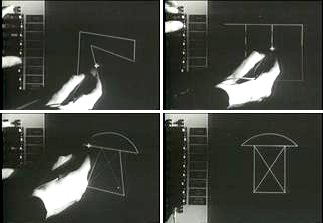
Computer Graphics, CAD and CAM 1960's
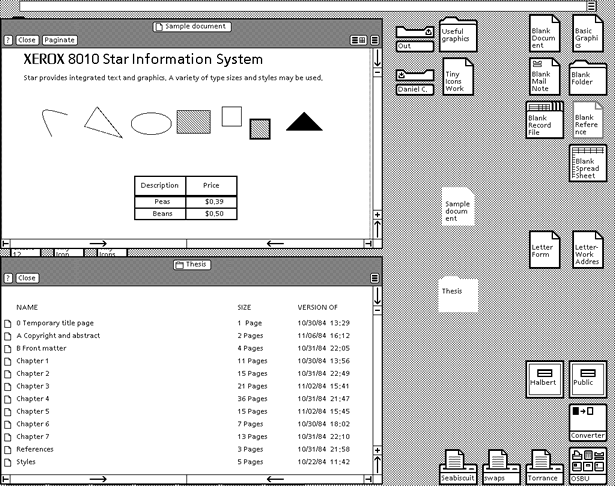
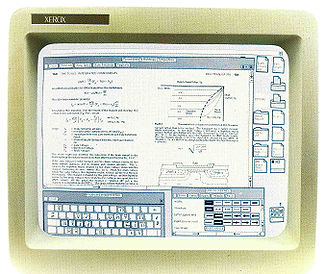
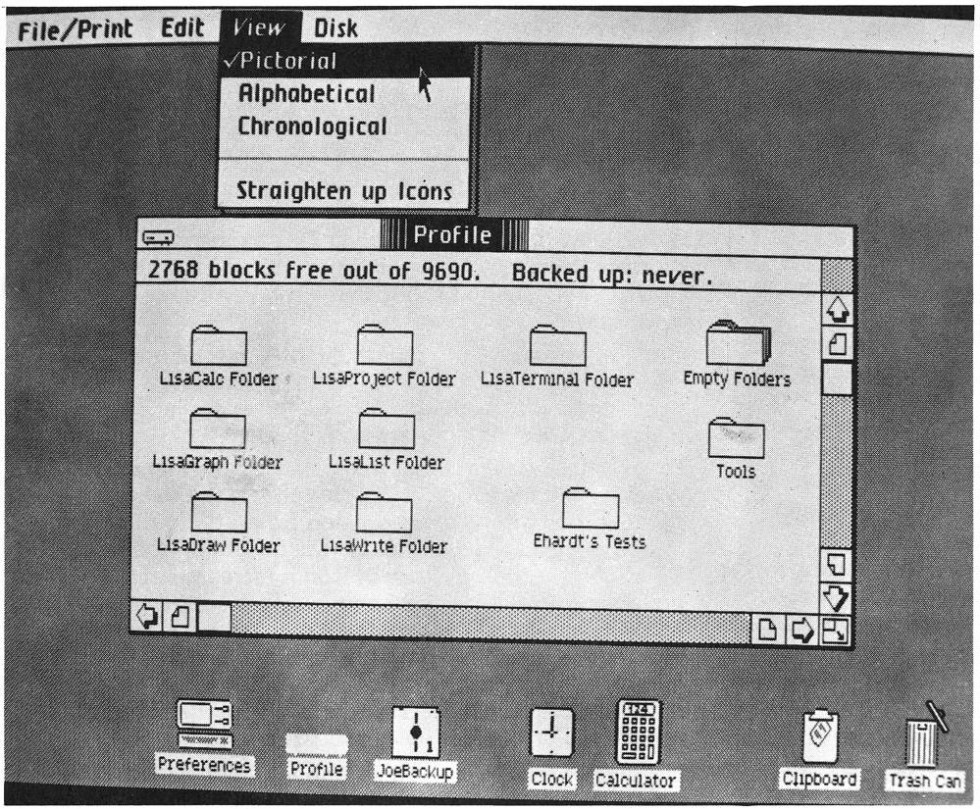
Graphic User Interface Xerox Parc 1970's
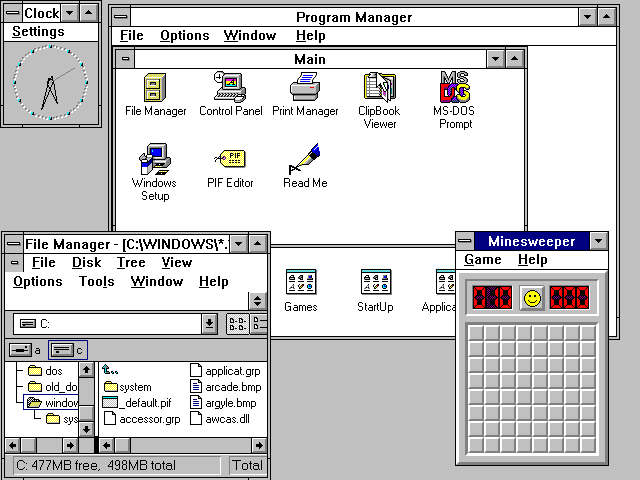
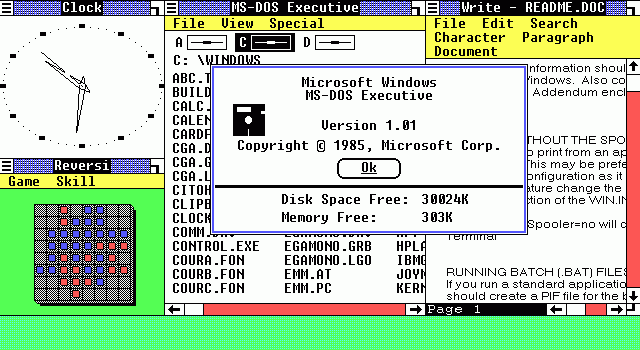
Graphic User Interface 1980's
Section 2
Classic
American Designers. Although their work is deemed classic
American Style they were highly influenced by prevailing trends
as noted by each of their names
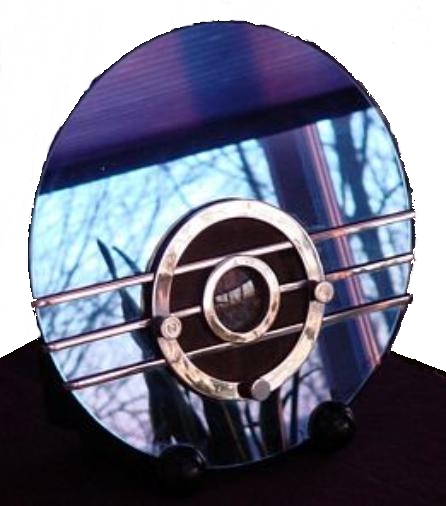
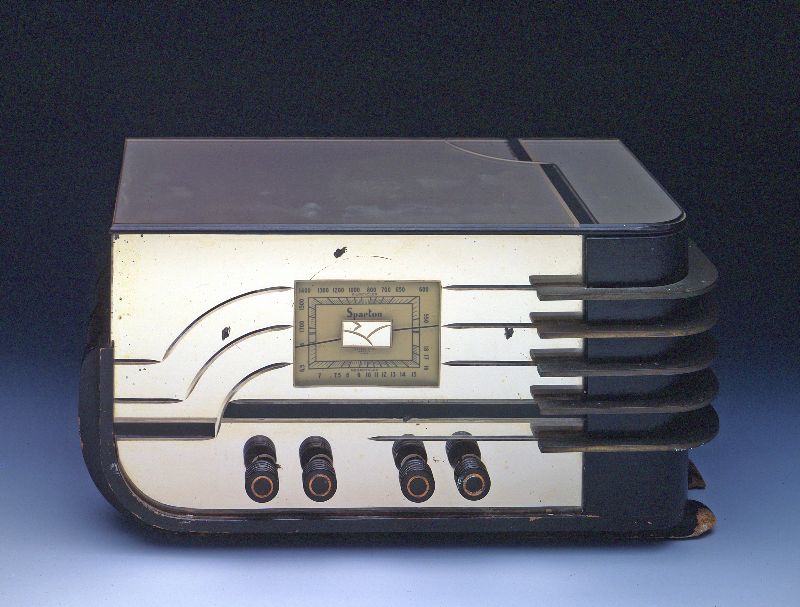
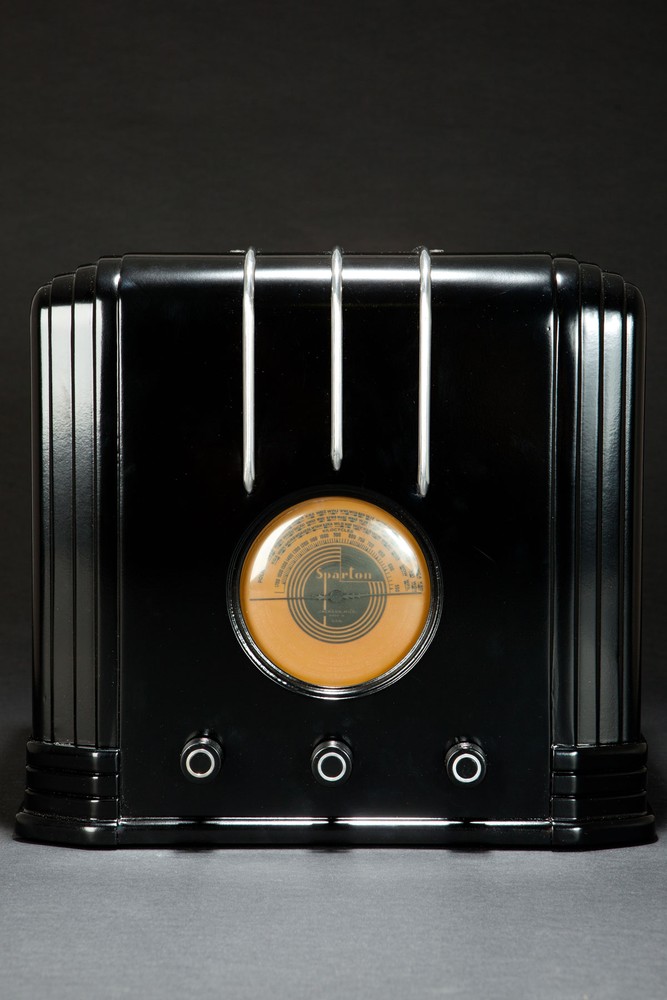
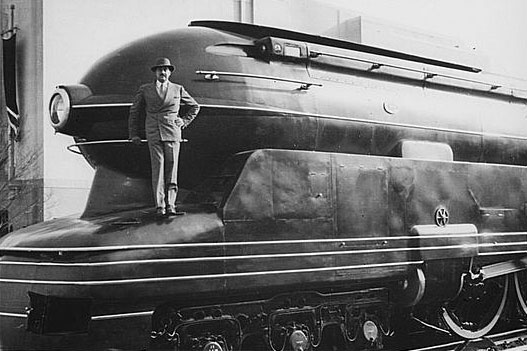
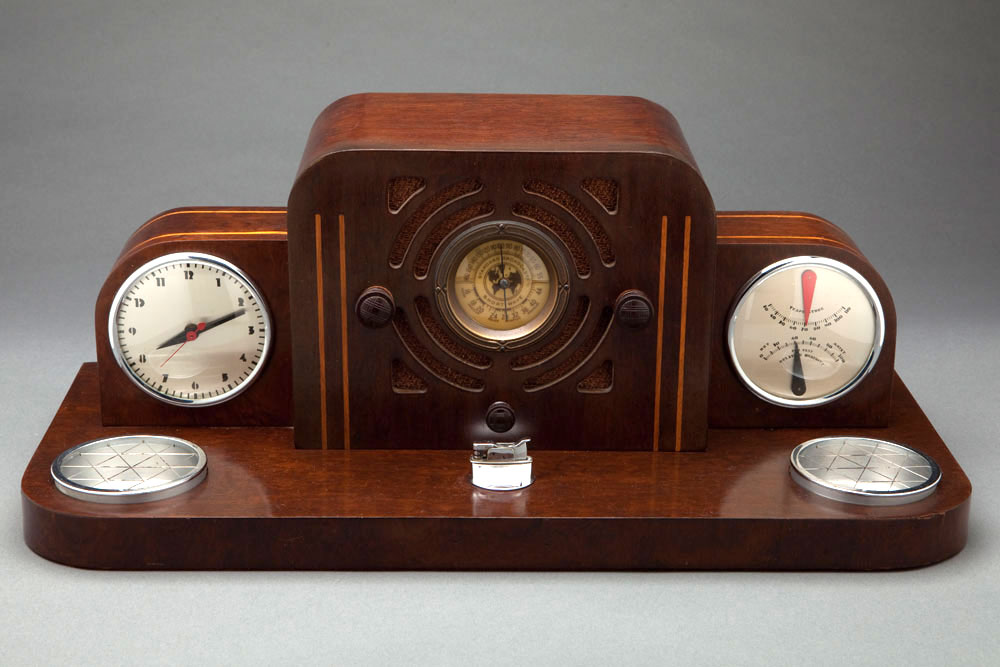
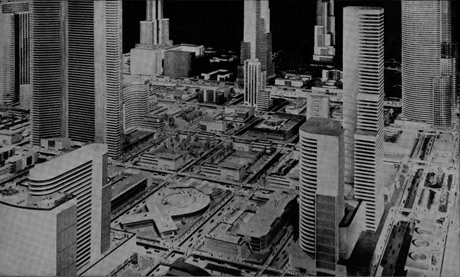
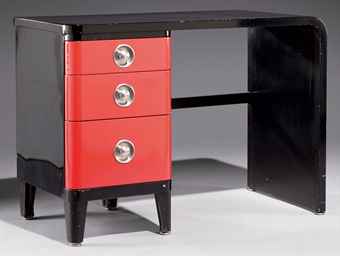
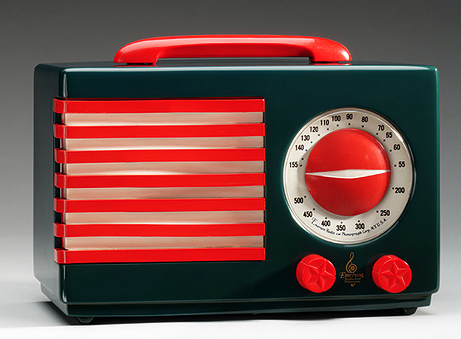
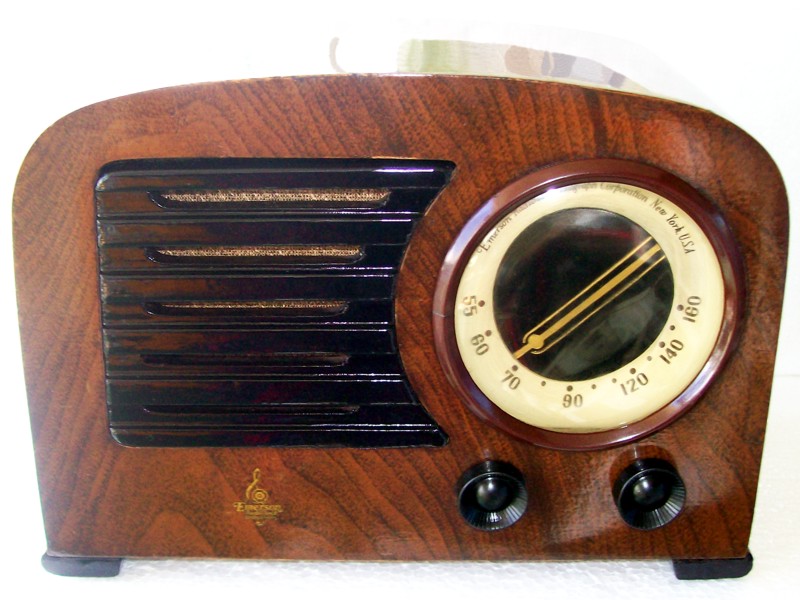
Walter Dorwin Teagure Bauhaus, Art Deco, Modernism 1934 Radio
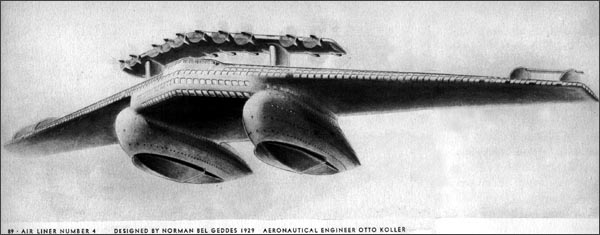
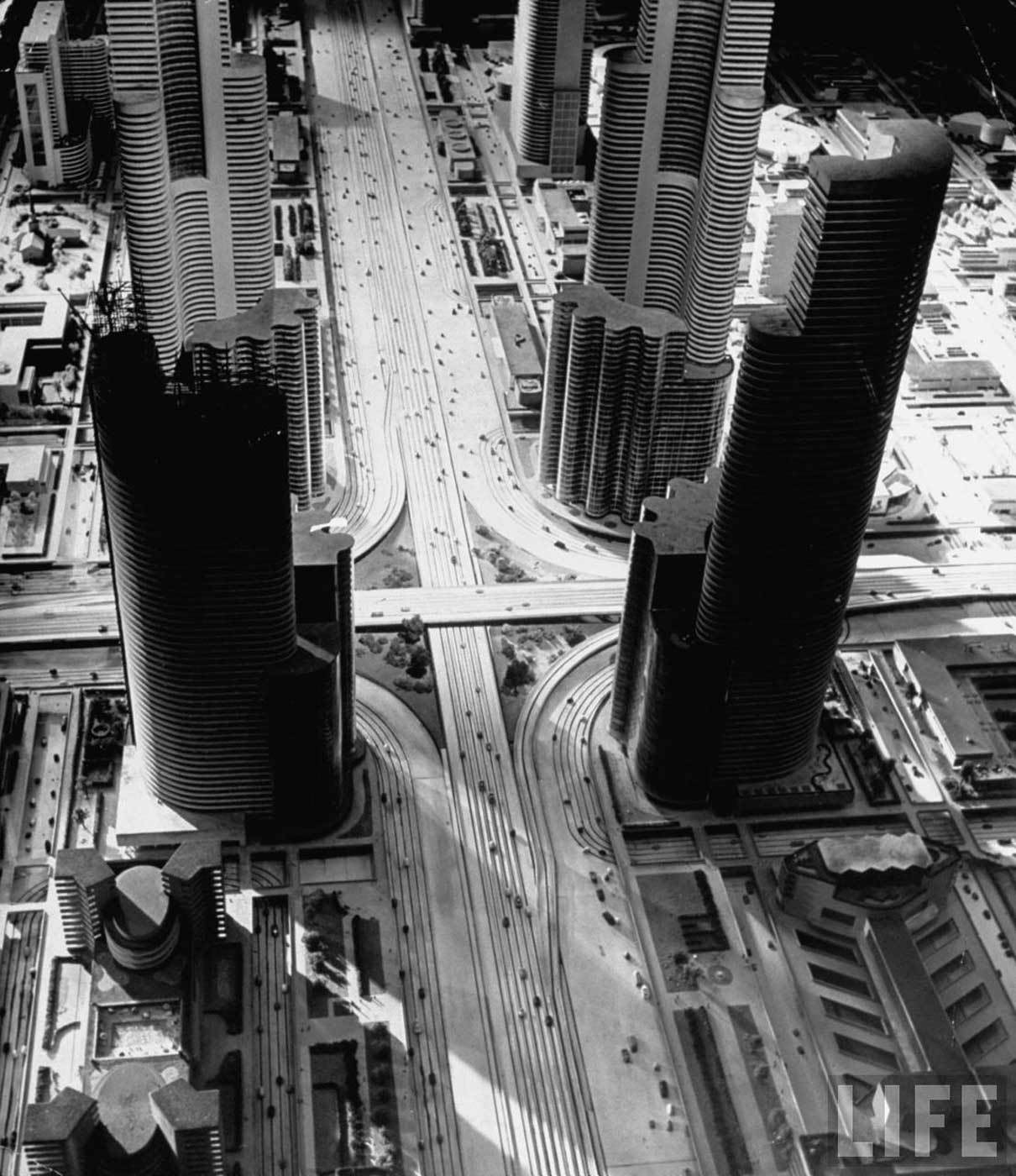
Geddes in 1939 forecast the future using a 1 acre model
BuckminsterFuller was an
American architect,
systems
theorist, author, and designer. Between stints at
Harvard, Fuller worked in Canada as a mechanic in a textile mill,
and later as a laborer in the meat-packing
industry. He also served in the U.S.
Navy in World War I, as a shipboard radio operator, as an editor
of a publication, and as a crash
rescue boat commander. After discharge, he worked again in the
meat packing industry, acquiring management experience. Fuller
taught at Black
Mountain College in North
Carolina during the summers of 1948 and 1949,
serving as its Summer Institute director in 1949. There, with the
support of a group of professors and students, he began reinventing a
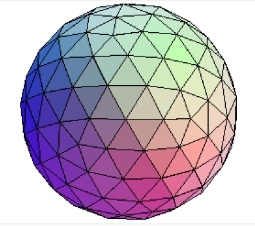
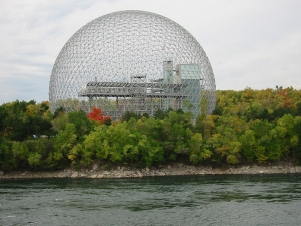
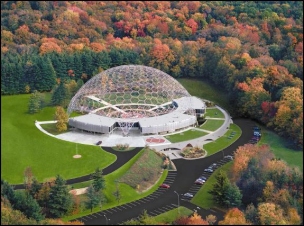
project that would make him famous: the geodesic
dome. Although the geodesic dome had been created some 30 years
earlier by Dr. Walther
Bauersfeld, Fuller was awarded United States patents. He is
credited for popularizing this type of structure.
In
1949, he erected his first geodesic dome building that could sustain
its own weight with no practical limits. It was 4.3 meters (14 feet)
in diameter and constructed of aluminum aircraft tubing and a
vinyl-plastic skin, in the form of an icosahedron.
To prove his design, Fuller suspended from the structure's framework
several students who had helped him build it. The U.S. government
recognized the importance of his work, and employed his firm
Geodesics, Inc. in Raleigh, North Carolina to make small domes for
the Marines.
Within a few years there were thousands of these domes around the
world.
Fuller's
first "continuous tension – discontinuous compression"
geodesic dome (full sphere in this case) was constructed at the
University of Oregon Architecture School in 1959 with the help of
students.
These continuous tension – discontinuous compression structures
featured single force compression members (no flexure or bending
moments) that did not touch each other and were 'suspended' by the
tensional members.
For half of a century,
Fuller developed many ideas, designs and inventions, particularly
regarding practical, inexpensive shelter and transportation. He
documented his life, philosophy and ideas scrupulously by a daily
diary (later called
the Dymaxion
Chronofile), and by twenty-eight
publications. Fuller financed some of his experiments with inherited
funds, sometimes augmented by funds invested by his collaborators,
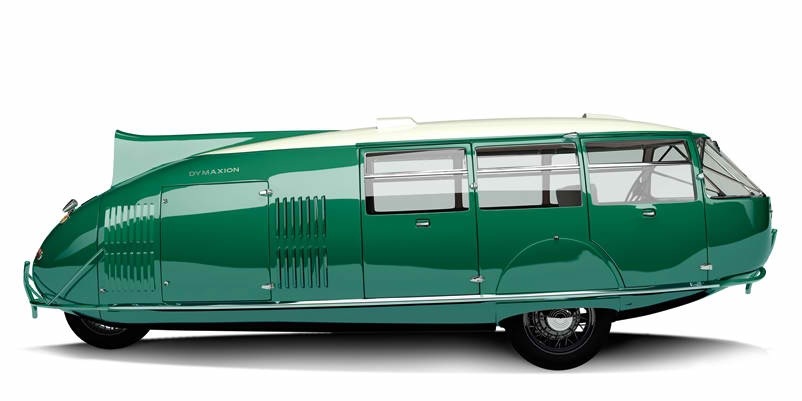
one example being the Dymaxion
car project. Fuller was awarded 28 United States patents.
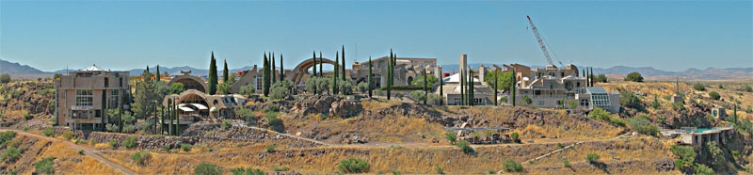
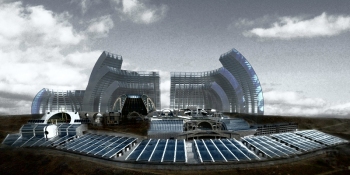
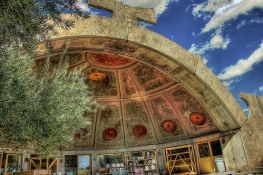
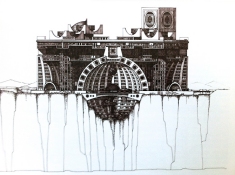
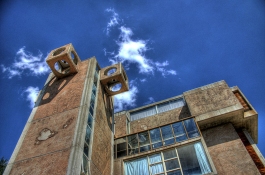
Italian-American architect, Paolo Soleri(1919–2013) unified the concerrent Arts and Crafts with Modernismeexemplified byAntoni Gaudí. Soleri worked under Frank Lloyd Wright while instilling many concepts of Modernisme under his banner named Arcology using a Frank Lloyd Wright American spin.
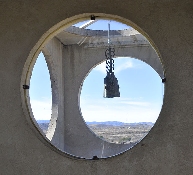
Arcosanti, wth construction since 1970 is located 70 mi north of Phoenix, AZ. His arcology concepts dictated use of design pragmatically within the site conditions and available construction
skill set, thus Arcosanti features a very functionalist
design. In a different location using different local
resources, the design would apprear completely different.