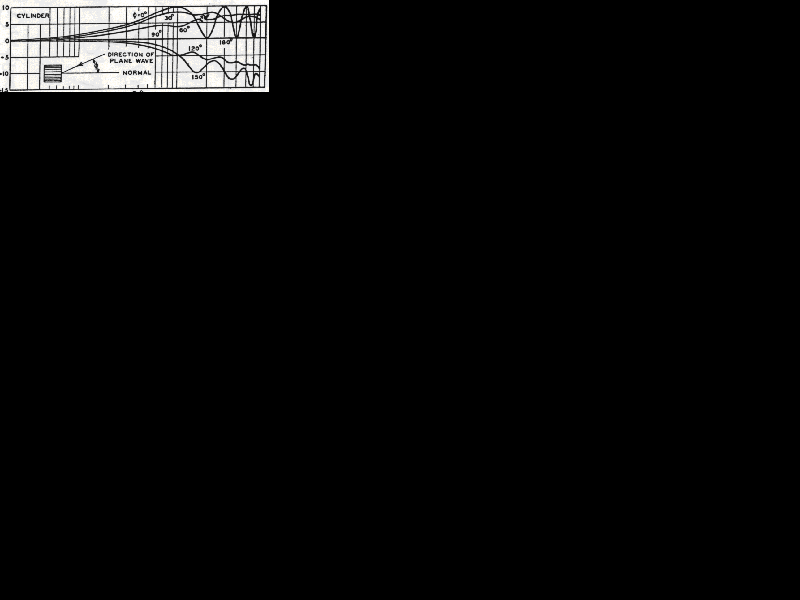
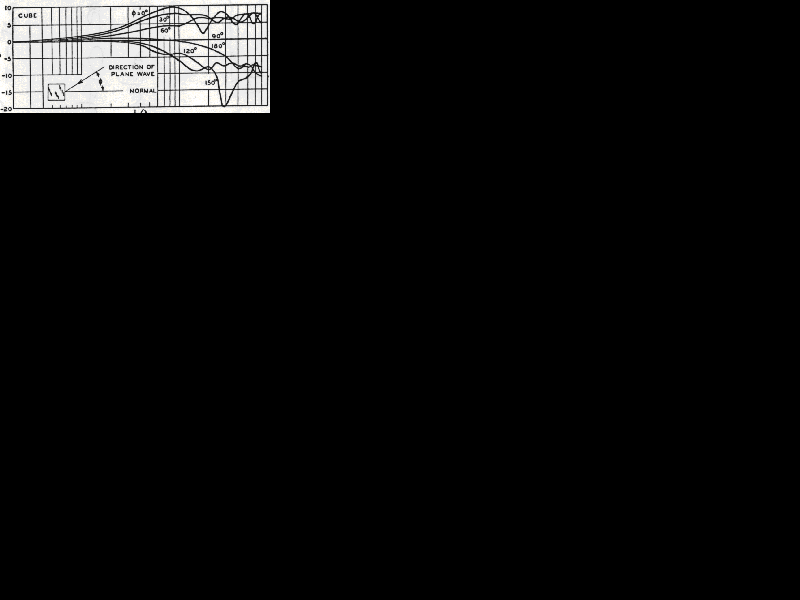
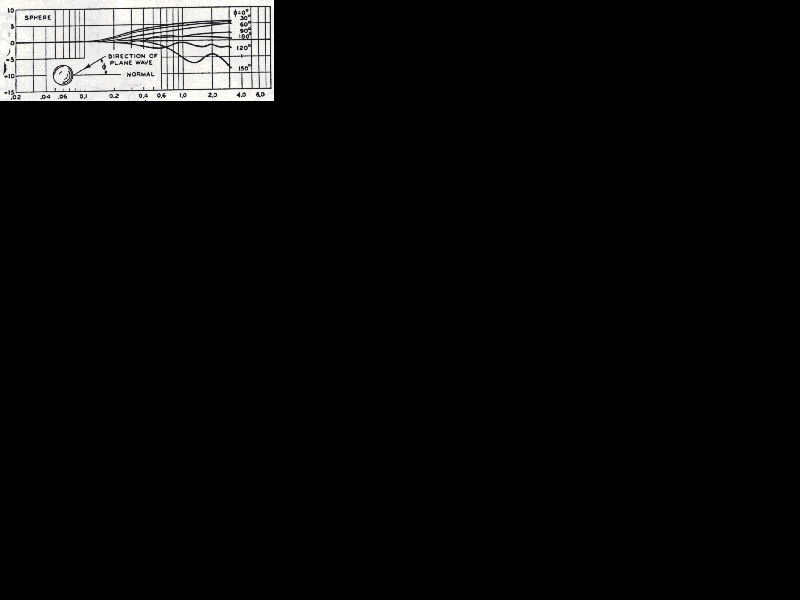
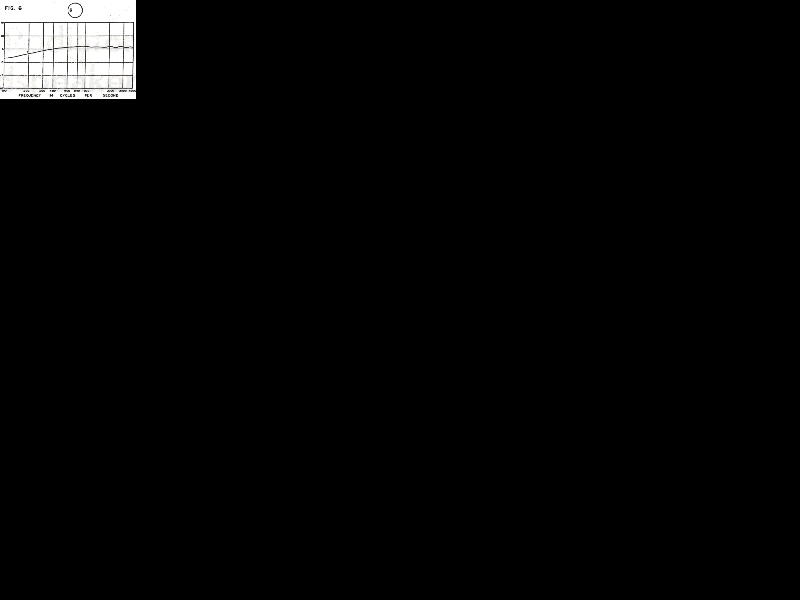
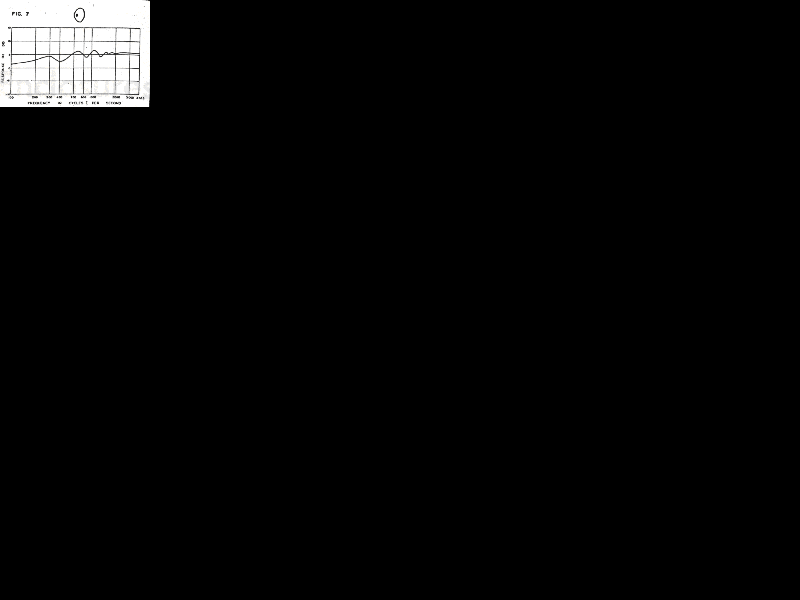
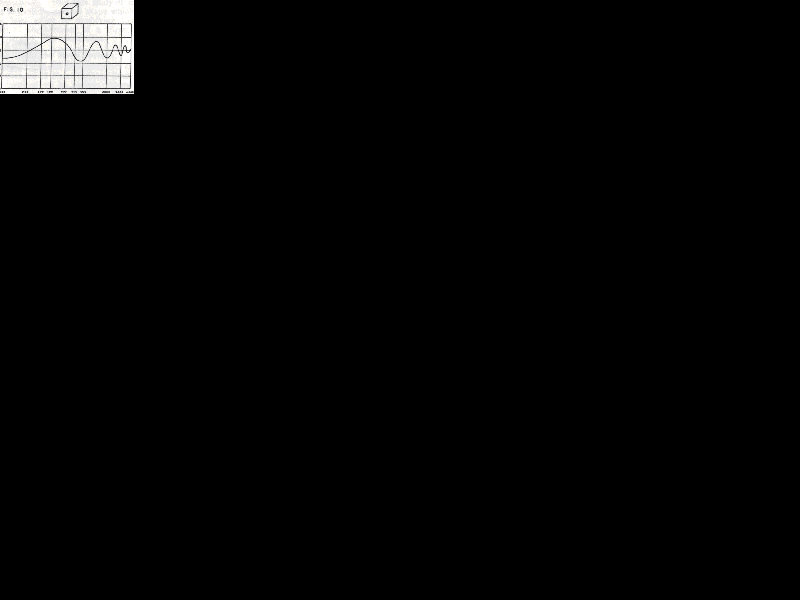
| Shape A- Sphere | Shape B- Sphere, squished | Shape C- Cylinder, center-mount | These graphs are from experiments performed in 1950 at RCA's research labs
|
| 
| 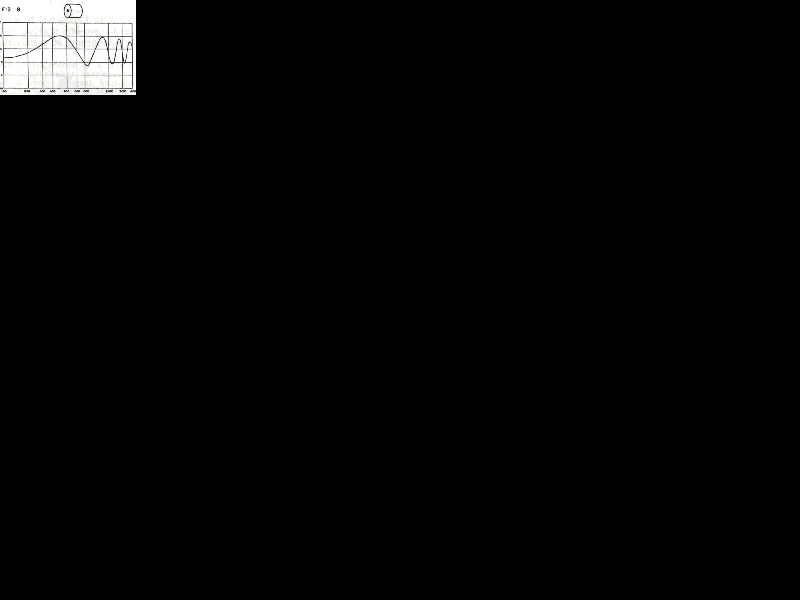
| at Princeton. The driver used was a sealed-back unit. What this means is that the responses you see here are effected only by
the outer shape of the enclosure! Notice how Shape C, the cylinder, generates a |
| ~~~~~~~~~~~~~~~~ | ~~~~~~~~~~~~~~~~
| ~~~~~~~~~~~~~~~~ | strong "ringing" or resonance pattern.
|
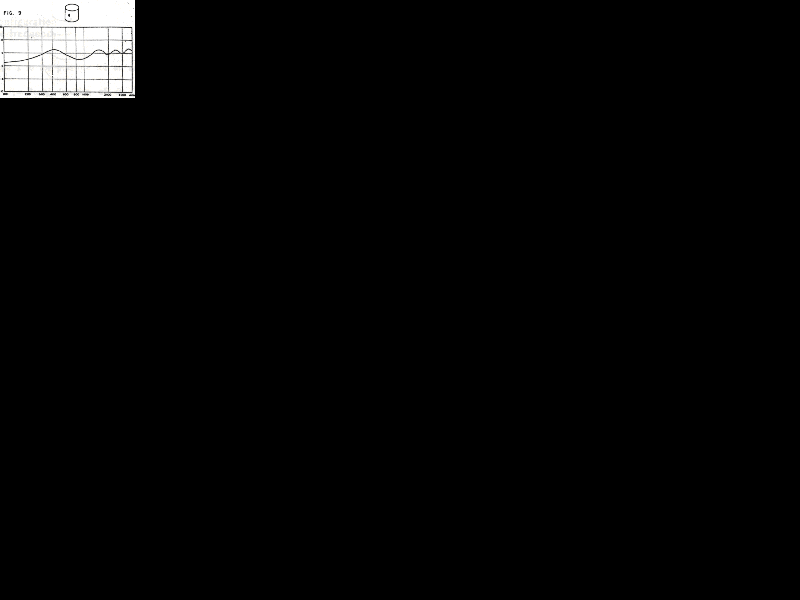
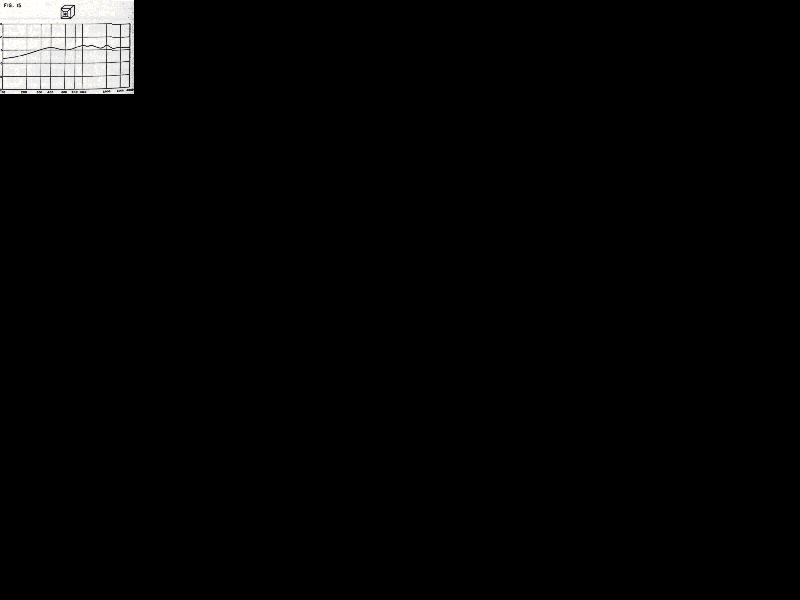
| Shape D- Cylinder, side-mount | Shape E- Cube, center-mount | Shape F- Cone, center-mount
| One would suspect this, for the interior, given the cylindrical nature of ports,
|
| 
| 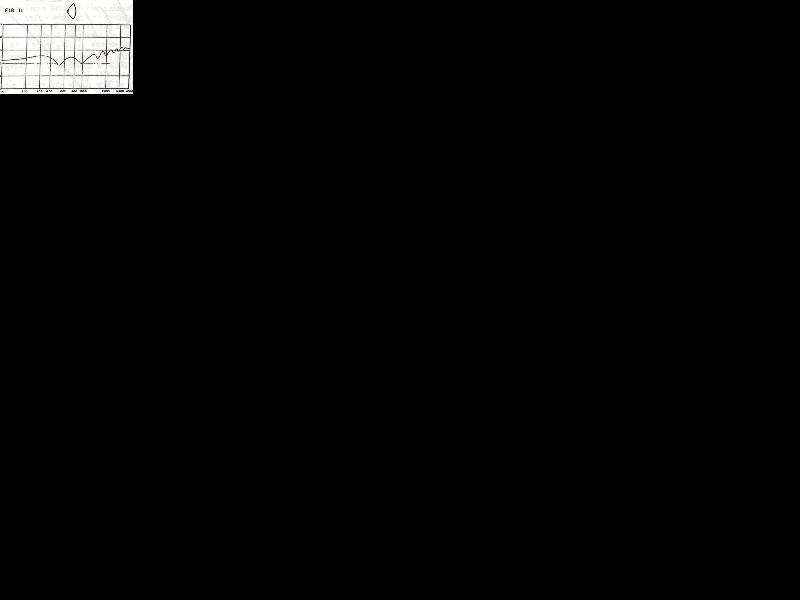
| but it is interesting to see that the exterior effect applies as well. Also look at the response from Shape E, the cube - same high-resonance pattern. Not very desirable!
|
| ~~~~~~~~~~~~~~~~ | ~~~~~~~~~~~~~~~~
| ~~~~~~~~~~~~~~~~
|
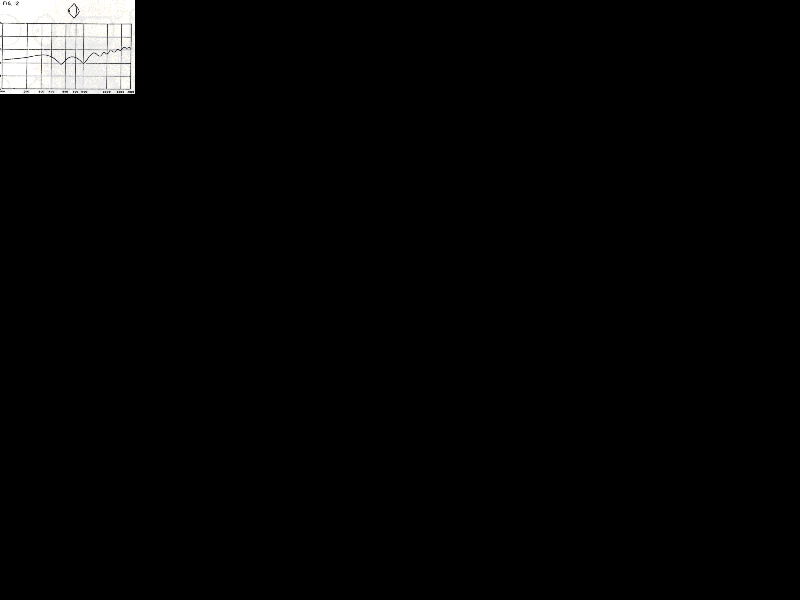
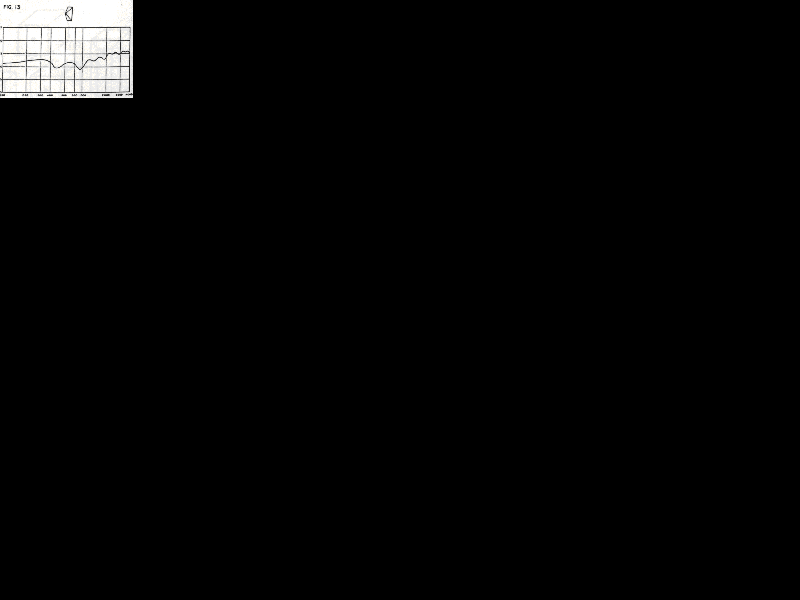
| Shape G- Dual cone | Shape H- Pyramid | Shape I- Dual Pyramid
|
| 
| 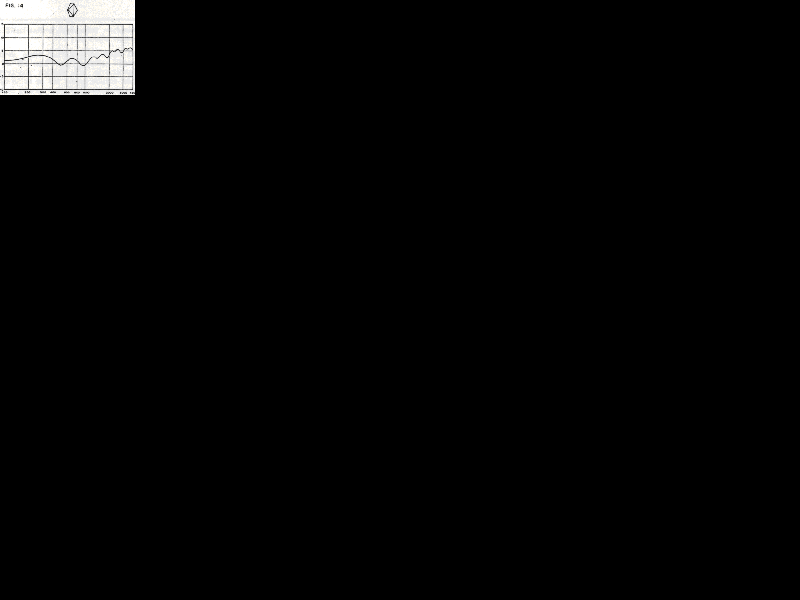
| Here are some more shapes. No strong resonance patterns but exterior effects are clearly in evidence!
|
| ~~~~~~~~~~~~~~~~ | ~~~~~~~~~~~~~~~~
| ~~~~~~~~~~~~~~~~
|
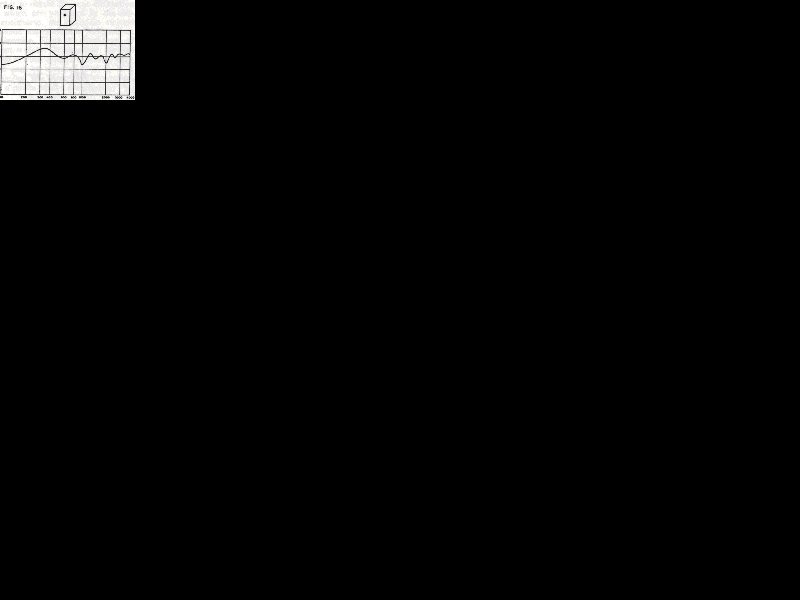
| Shape J- tweaked cube | Shape K- Rectangular | Shape L- Tweaked rectangular
|
| 
| 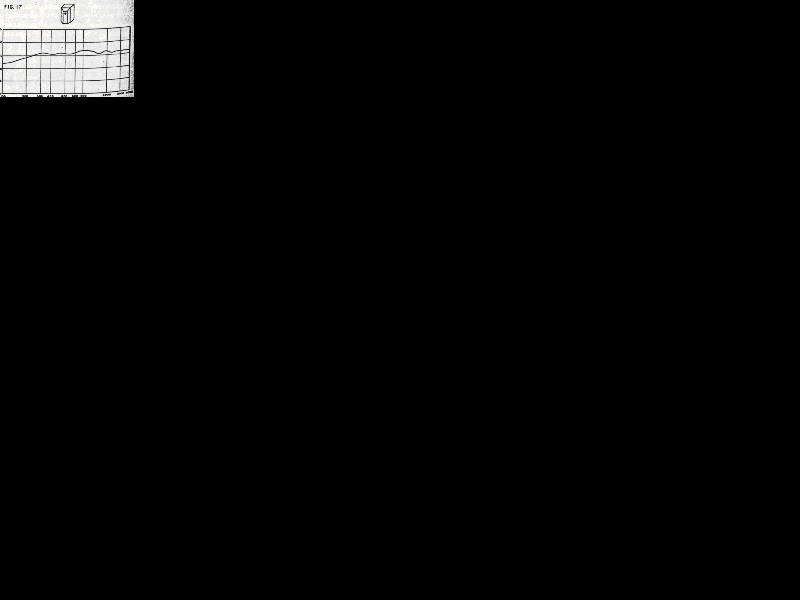
| Here are what most designers settle for, some twiddling in the front baffle and driver placement. Helps a little but you can still see the bumps and dips. Even computerized tweaking cannot deliver the strong, smooth, natural response that our spherical, ovoid, or wing-shaped enclosures do. The tweakers are fighting against physics.
|